

Your campaign message is more than a slogan. Here's how to build a clear, consistent message that helps voters understand who you are, what you care about, and why you're running.
A lot of candidates start thinking about their campaign message by asking, “What's my slogan going to be?”
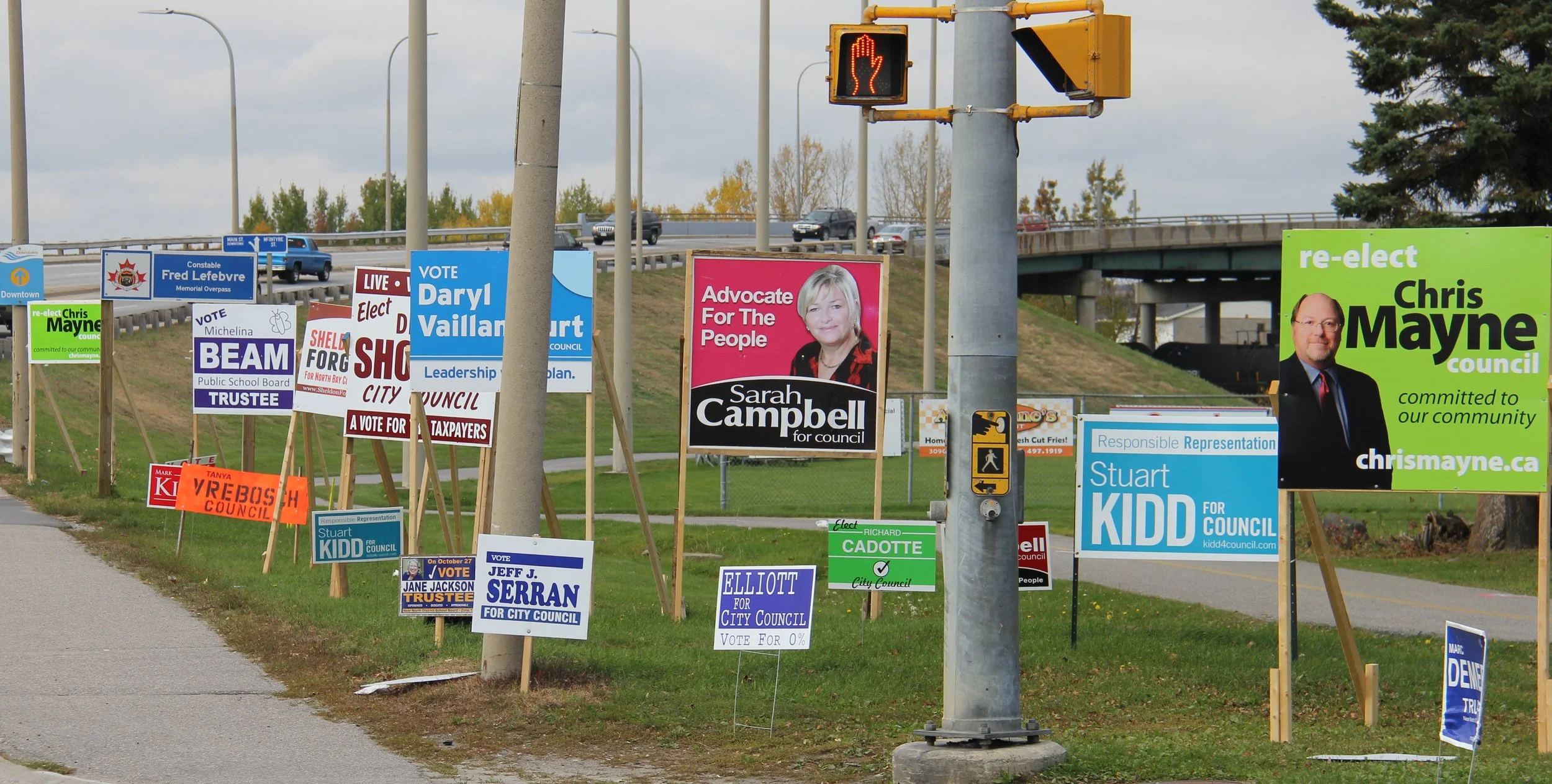
That's understandable. A slogan is visible, memorable, and looks great on a lawn sign.
But your campaign message is much bigger than a few words on a sign.
Your message is the simple idea you want voters to remember about who you are, what you care about, and why you're running. It becomes the thread that connects your conversations at the door, your website, your social media, your literature, your speeches, and your campaign events.
And the good news is that you don't need to be a professional marketer to develop one.
Start With Why You're Running
Before you worry about finding the perfect words, get clear on the reason you're running. You've probably already been asked some version of: “Why are you running?” Your answer to that question is the foundation of your campaign message.
Think about what brought you to this point. What have you seen, experienced, or heard from people in your community that made you decide that you wanted to do something about it?
And don’t fall into the trap that your why has to be tied to some big dramatic moment. In fact, the strongest campaign stories are often quite ordinary.
Maybe you've spent years volunteering in your community. Maybe you've watched your neighbourhood change. Maybe you're a parent who became frustrated by a problem affecting local families. Maybe you've worked in a sector where you see a particular challenge every day.
Your reason for running gives voters a way to understand why you, and why now.
Your Message Is Not Your Platform
This distinction is important. Your platform is what you want to accomplish if elected. It might include housing, roads, recreation, taxes, economic development, transit, accessibility, or a dozen other issues.
Your message is the bigger idea that connects those priorities.
For example, a candidate might have platform commitments around improving parks, supporting local businesses, and making streets safer. Their campaign message might be about building a community where families can thrive and local businesses can succeed.
The platform tells people what you want to do. The message helps them understand what kind of candidate you are and what ties those ideas together.
You need both. They do different jobs.
Give People Something They Can Remember
Municipal campaigns can involve a lot of information. There are issues to discuss, questions to answer, events to attend, posts to write, and conversations happening all over the community. It's tempting to try to tell voters everything you know. Resist that temptation.
People aren't going to remember your entire website. They're probably not going to memorize your platform. And they certainly aren't going to remember every conversation you have with them.
Your job is to make it easy for people to understand the bigger picture.
A good campaign message gives voters a simple answer to: “What is this candidate about?”
That doesn't mean your message needs to be simplistic, but it does mean the underlying idea should be clear enough that someone could explain it to a neighbour. Because if your supporters can't describe what you stand for without pulling out your campaign brochure, your message probably needs some work.
Choose a Message That Sounds Like You
Your campaign message should feel authentic to the candidate who is delivering it. If you're a lifelong community volunteer, your message might naturally centre on service and community. If you've spent your career working on housing or economic development, your experience may give you a different perspective. If you're running because you've spent years listening to residents and seeing a particular problem go unresolved, that can be part of your story too.
Don't choose a message simply because you think it sounds impressive. A message that sounds polished but doesn't sound like you will be difficult to maintain for an entire campaign. Voters are also pretty good at noticing when someone is trying to sound like a politician.
Your Message Should Show Up Everywhere
Once you have a clear campaign message, it should become the thread running through your campaign. That doesn't mean repeating the exact same sentence everywhere. Instead, the same underlying idea should be recognizable across different parts of your campaign.
At the door, you might explain why you're running through a personal story. On your website, you might use your message to introduce your campaign and organize your priorities. On social media, you might share stories and examples that reinforce it. At a community event, you might connect a local issue back to the bigger reason you're running.
Your campaign materials can change depending on the situation. Your underlying message shouldn't. Consistency helps voters make sense of everything they're seeing and hearing from you.
Don't Try to Be Everything to Everyone
One of the hardest parts of developing a campaign message is deciding what not to say. You may care deeply about ten different issues. You may have strong opinions about your community's future. You may have professional experience that gives you something to say about all kinds of topics.
That's okay. You don't need to pretend those things don't matter. But your campaign needs a centre of gravity.
If every issue gets equal billing, voters may have a hard time understanding what actually drives your candidacy. A clear message doesn't mean you only talk about one issue. It means that when you talk about different issues, voters can see how they connect to the bigger reason you're running.
Think About the Voter's Perspective
Candidates naturally spend a lot of time thinking about what they want to say. Try turning that around and ask yourself what a voter needs to understand about you.
They may be wondering: Why are you running? What do you care about? Do you understand this community? What would you bring to the job? Can I trust you to make good decisions? What would change if you were elected?
Your message doesn't need to answer every question all at once, but it should help voters start to build a picture of you as a candidate. And remember: your message is about helping the right voters understand what you stand for and why they should consider supporting you.
Your Message Can Evolve
Don't feel like you have to get this perfect on day one. Your campaign message should be clear, but it doesn't have to be carved in stone.
As you talk to voters, attend community events, hear people's concerns, and learn more about the campaign, you may discover that certain ideas resonate more strongly than others. Pay attention to that.
You might find a better way to explain something. You might discover that voters consistently respond to a particular part of your story. You might realize that two priorities you thought were separate are actually connected by a much bigger idea.
That's not a failure of your original message. That's what campaigning is supposed to do: help you listen and learn.
The Goal Is Clarity, Not Cleverness
It's easy to get caught up in finding the perfect slogan or coming up with a clever campaign phrase. But your campaign message doesn't need to win an advertising award. It needs to be clear, authentic, memorable, and consistent.
When someone meets you at the door, sees your sign, visits your website, or hears a supporter talking about your campaign, you want them to come away with roughly the same understanding of who you are and why you're running. That's the real power of a strong campaign message.
Your campaign doesn't need to say everything. It needs to make sure people remember the things that matter most.
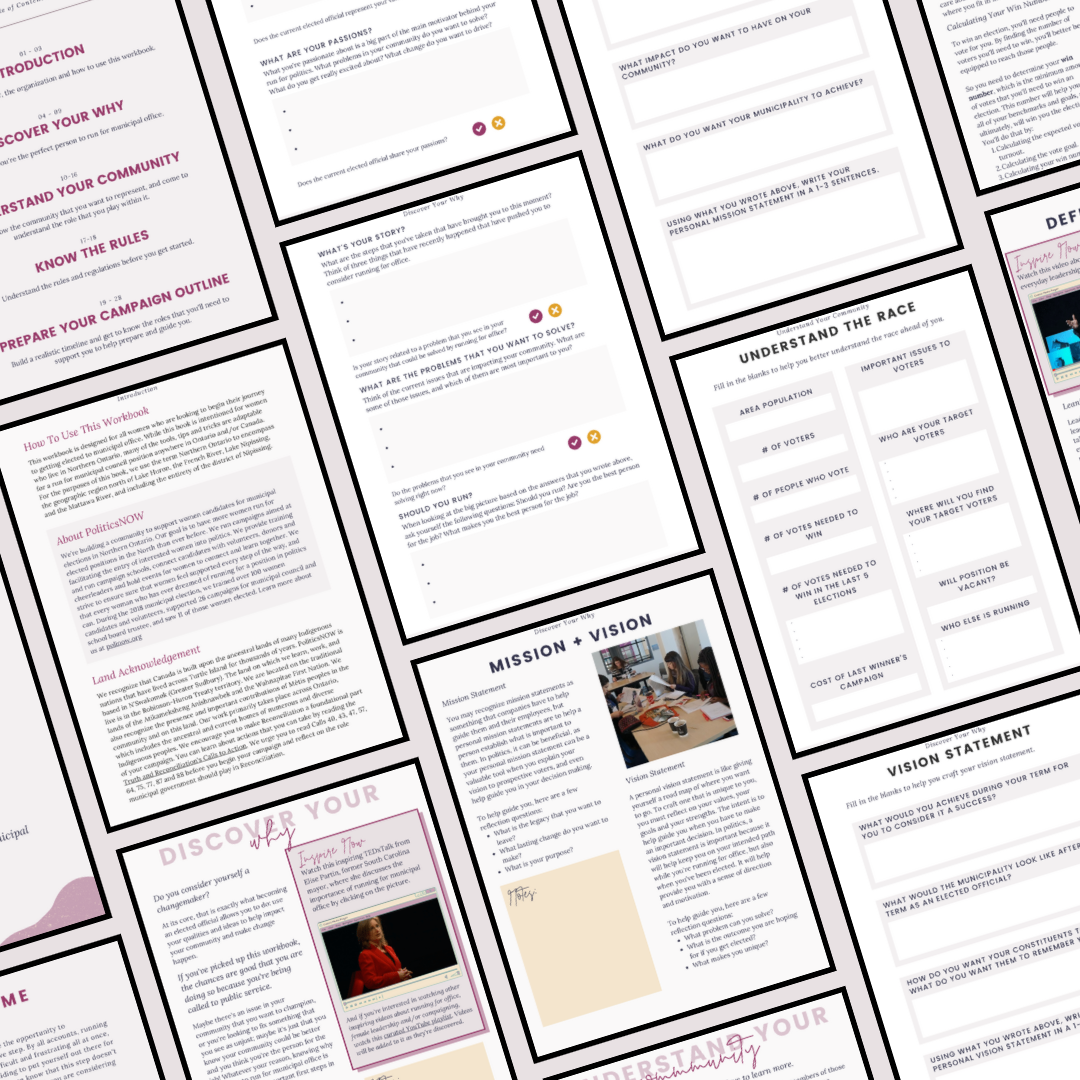





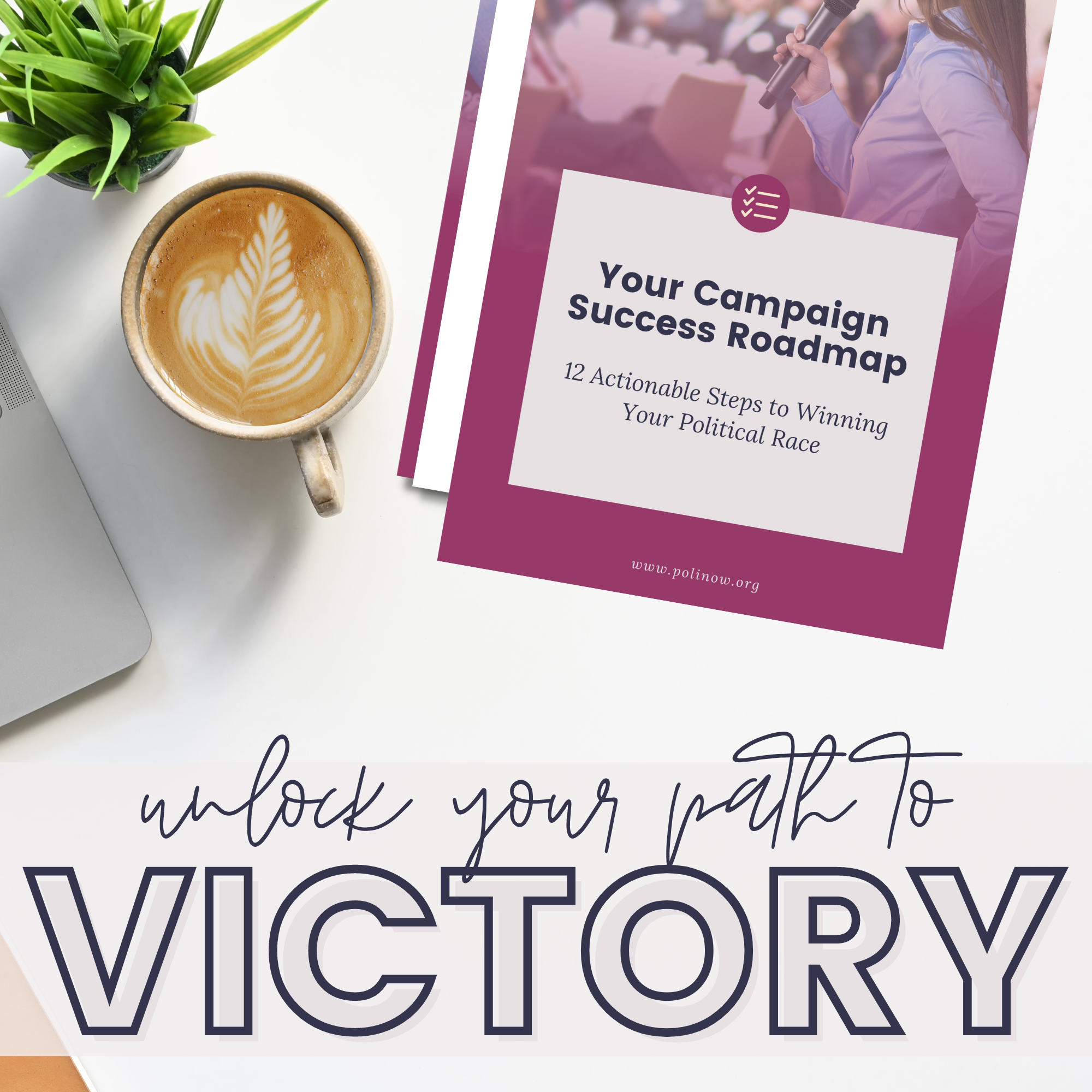
The 2026 edition of Exploring Your Run for Municipal Office is live! Fully updated with new resources, a chapter on protecting your peace, bonus audio, and worksheets to help you explore your run with confidence.