
Your Custom Text Here

Empowering Girls to Lead
We talk about the importance of empowering young girls to lead and encouraging them to get involved in politics. By providing role models, making politics accessible, highlighting issues, and celebrating success, we can inspire girls to make a difference in their communities and create a brighter future in politics. Let's work together to build a more equal and representative society, where every girl has the opportunity to be a leader!

5 Steps to Encourage Political Involvement For the Girls In Your Life
As we celebrate International Women's Month, it's important to remember that empowering young girls to get involved in politics is crucial to creating a more equal and representative society. While politics can seem intimidating and overwhelming, we can all take a few simple steps to encourage girls to get involved and make a difference in their communities.
1. Start Early
Encouraging young girls to build their leadership skills early on can be a great way to set them on the path toward political success. One way to do this is by encouraging them to get involved in student government or extracurricular activities that promote leadership and community involvement. This can include clubs that focus on community service, student council, or even sports teams where they can develop teamwork and communication skills. By starting early, girls can gain the confidence and experience they need to become successful leaders later in life.
2. Highlight Role Models
Girls must see other women in leadership roles to visualize themselves in those positions. By being a role model, you can inspire young girls to get involved in politics and make a difference in their communities. This can include sharing your own experiences and stories of success and introducing them to other women in leadership roles who they can look up to. By showing girls that women can be successful in politics, we can inspire them to pursue their own goals and dreams.
Here are just a few to get you started:
The Right Honourable Kim Campbell - Canada's first female Prime Minister (1993-1994), also served as Minister of National Defence and Minister of Justice.
Jody Wilson-Raybould - Former MP and Minister of Justice, an advocate for Indigenous rights and reconciliation in Canada.
Chrystia Freeland - Canada's Deputy Prime Minister and Minister of Finance, a champion for free trade and international trade agreements.
Rosemary Brown - First Black woman to be elected to a Canadian provincial legislature (1972), a champion of women's and minority rights, and instrumental in the creation of Canada's multiculturalism policy.
Her Excellency the Right Honourable Mary Simon - Former Canadian diplomat and Inuk leader who was appointed as Canada's first Indigenous Governor General; an advocate for Indigenous rights and reconciliation, as well as climate action and environmental protection.
looking to be inspired by northern ontario women? check out our blog series on the women who ran for council in the 2022 ontario municipal election.
3. Make it Accessible
Politics can seem like an exclusive club, but it doesn't have to be. By making politics accessible, we can encourage more young girls to participate and make a difference in their communities. This can include encouraging them to attend council meetings, engaging with their local representatives, and asking questions. Girls must know that their voices matter and that they have a place at the table. By providing them with the tools and resources they need to get involved, we can help them become successful leaders and advocates for change.
4. Highlight the Issues
Young girls are more likely to get involved in politics if they see the issues they care about being discussed and addressed. We can encourage girls to speak up and take action by highlighting the issues that matter to them. This can include encouraging them to attend rallies or protests, writing letters to local representatives, or even running for office. By giving them the tools and resources they need to make a difference, we can empower young girls to become advocates for change and help create a better future for all.
What are 5 books girls and their parents can read to empower them to become advocates for change:
"I Am Malala" by Malala Yousafzai: In this memoir, Malala shares her incredible story of standing up to the Taliban in Pakistan and fighting for girls' education. Her bravery and determination are truly inspiring and show young readers that even the smallest voices can make a big impact.
"The Hate U Give" by Angie Thomas: This powerful novel follows the story of Starr Carter, a black teenager who witnesses the fatal shooting of her unarmed friend by a police officer. The book addresses important issues around racism, police brutality, and activism, and encourages young readers to use their voices to fight for change.
"Rad Girls Can" by Kate Schatz: This book features 50 real-life stories of young girls and women who have made a difference in the world. From activists to scientists to athletes, these stories are sure to inspire readers and show them that anything is possible if they work hard and believe in themselves.
“Good Night Stories for Rebel Girls: 100 Inspiring Young Changemakers” by Rebel Girls. A collection of inspiring stories featuring extraordinary young women who are making a difference in the world, including well-known figures like Greta Thunberg and up-and-coming changemakers like inventor Vinisha Umashankar and poet Alexandra Huynh. Each story is accompanied by a bold portrait created by young female and nonbinary artists.
“Govern Like a Girl: The Women Who Became Canada’s First Ministers” by Kate Graham: Thirteen Canadian female politicians, including one Prime Minister and twelve Premiers, are highlighted in this book. The stories of their childhoods, political careers, and differences from male politicians are told to inspire future female leaders.
5. Celebrate Success
When girls get involved in politics and make a difference, it's important to celebrate their achievements. This can include recognizing them publicly, providing them with opportunities for growth and development, or simply congratulating them on a job well done. By celebrating their successes, we can build their confidence and inspire them to continue making a difference in their communities. This can also encourage other young girls to participate in politics and contribute to the world.
Celebrating success for girls in politics can also involve engaging the community. This can be done through public events, such as panel discussions, town halls, or networking events showcasing girls' political accomplishments. By involving the community in celebrating their success, we can build a sense of pride and unity and inspire others to participate in politics and make a difference.
TL;DR
Encouraging young girls to get involved in politics is crucial for building a more equal and representative society. We can achieve this by providing role models, making politics accessible, highlighting issues, and celebrating success. Let's work together to inspire girls to make a difference in their communities and create a brighter future in politics.Disclaimer: By clicking and purchasing any of the products linked in this post, we may earn a very small commission.
— more learning —
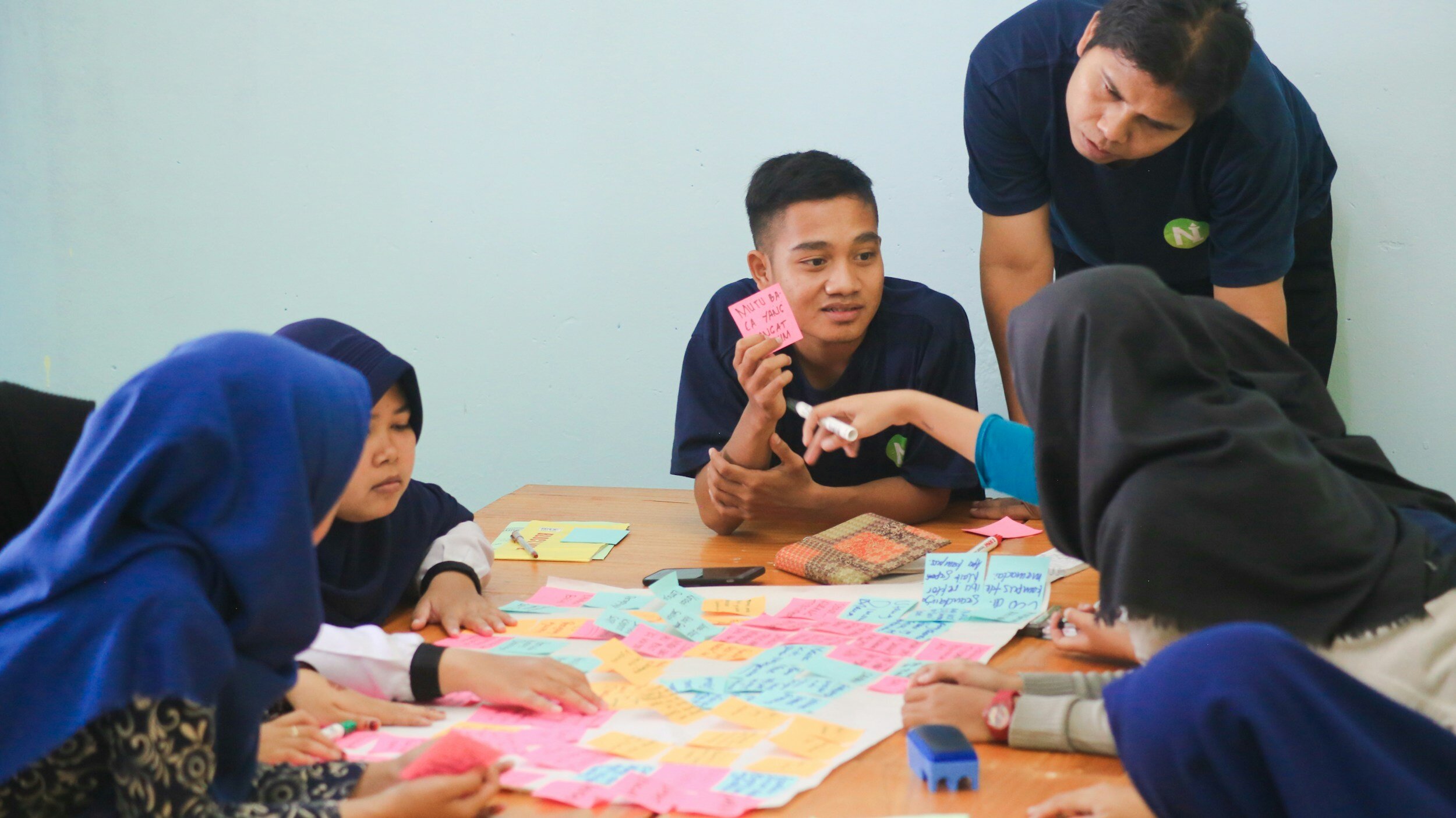
The Rules of Fundraising For Political Campaigns In Ontario
By understanding the rules for fundraising in a municipal campaign, you’ll be better equipped and more organized.
Follow the Fundraising Rules
Your campaign needs to keep track of all of your financials. Here is how that works with fundraising.
The easiest thing we can do to ease ourselves into this is to ensure that we understand the rules surrounding fundraising and campaigns.
In the 2022 Candidates' Guide - Ontario municipal council and school board elections, there is a whole section about Campaign Financing (which we recommend you go through and absorb).
Still, today, we're only going to look specifically at the fundraising rules.
So here is the long and short of it:
A fundraising activity is an event or activity held by you or on your behalf that primarily aims to raise money for your campaign.
Candidates can only hold fundraisers during the campaign period (which we're in the thick of now, so go for it!)
There are specific guidelines for selling goods or offering services in exchange for campaign donations.
The total ticket price is considered a contribution if you sell tickets to an event. If the ticket is higher than $25, it cannot be paid for with cash. You must issue receipts to each person who purchases a ticket.
If you sell goods or services for more than the fair market value (i.e. you sell a coffee mug for $50, with the proceeds of the sale going towards your campaign), then the difference between the market value of the good or service you sold and the amount paid is what is considered the donation. Anything sold for under $25 or less does not count as a contribution.
According to the Candidates' Guide, the donation buttons on websites or a sentence on campaign brochures that advises people on how they can donate do not count as fundraising.
Contribution limits ($1200 for individuals other than yourself and your spouse) still apply. All contributions over $25 must be made by cheque, money order or by a method that shows where the funds came from (debit, credit, e-transfer, etc.) You also need to issue contribution receipts and keep records accordion to the Campaign finance section of the Candidates' Guide.
The spending limit for your campaign is calculated based on the number of electors who are eligible to vote for the office that you're running for:
For head of council: $7,500 + $0.85 per eligible elector
For council members or trustee: $5,000 + $0.85 per eligible elector
So let's do a few examples:
You live in Sudbury. You’re running for mayor. In 2018, there were 115,784 eligible voters in Greater Sudbury. Your initial budget is $7,000 + $98,416.40 for a total of $105,416.40.
You live in Sault Ste Marie. You’re running for mayor. In 2018, there were 55,261 eligible voters in Sault Ste Marie. Your initial budget is $7,000 + $46,971.85 for a total of $53,971.85.
You live in Sudbury. You’re running for councillor of Ward 1. In 2018, there were 9,055 eligible voters in your ward. Your initial budget is $5,000 + $7,696.75 for a total of $12,696.75
Knowing your budget will allow you to know what you need to fundraise and start building a plan to get you there.
Time To Fundraise
Let's be real here – you may be looking at the spending threshold and thinking, "That's nothing. I can get there myself."
You might be tempted to self-fund most of your campaign. Our biggest piece of advice is this:
Don’t do it!
Fundraising can be intimidating. Asking the people you know for money can be heavy. But don't go into debt to run for office. While the spending limit can look intimidating, remember: just because that's the limit doesn't mean that's what you have to spend.
So sit down and list what you will need to run this campaign. This list will differ depending on which office you're running for. For example, you won't need to spend the same on gas to cover canvassing ground if you're running for mayor vs. council. Your must-have list for what you need to run for office may be different than someone else's. Two candidates may disagree on whether or not they need lawn signs, for example. Consider how long the campaign period is and what your goals are. Also, ensure that you look into the municipal election rebates that may be available to you, depending on where you live, so that you can access those funds and don't need to worry about fundraising.
And then start crunching numbers.
That is what you'll want to aim for in fundraising. And there are plenty of ways that you can get there.
— looking for more campaign advice? —


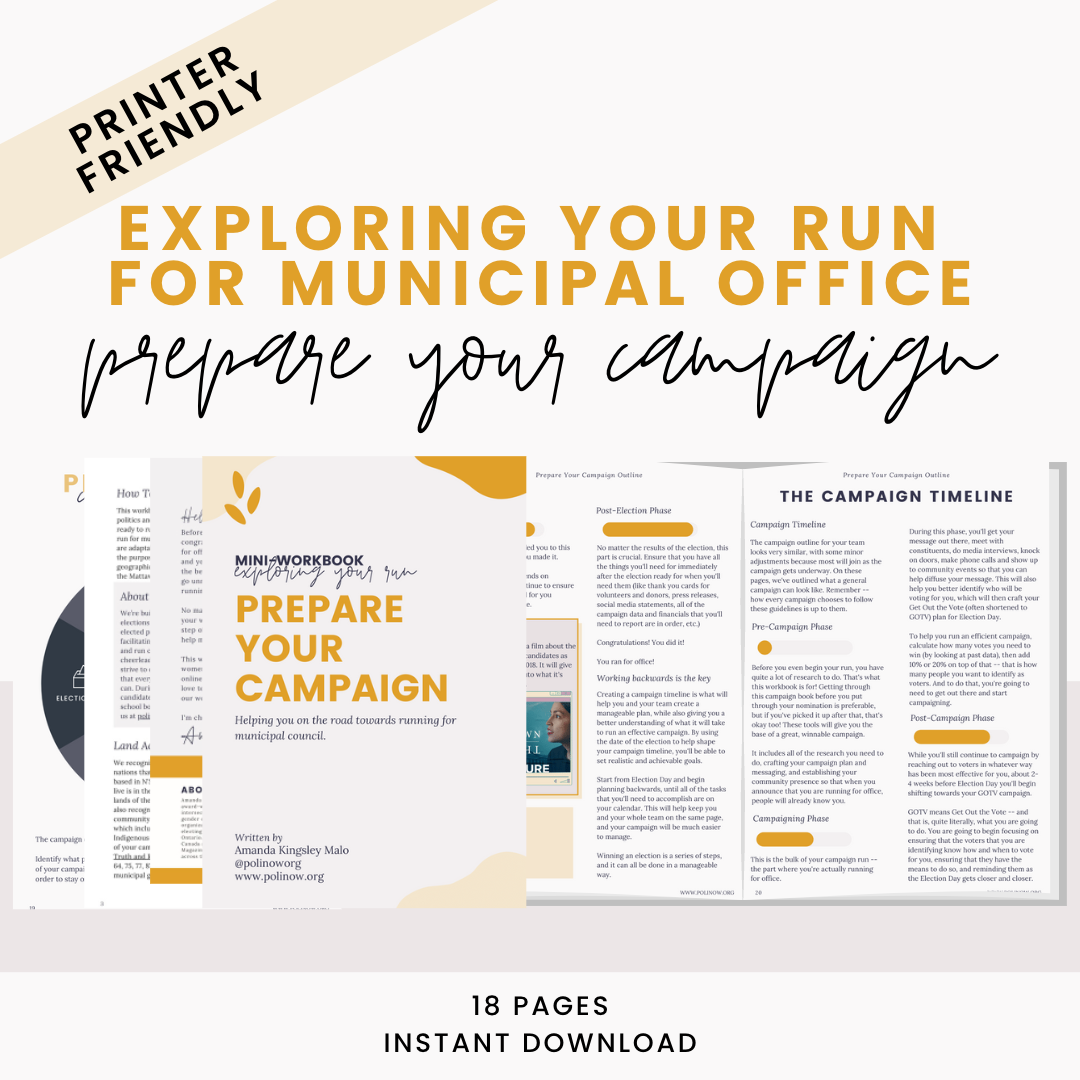

Planning Your Campaign By Phase
By understanding what phase your campaign is in, you’ll better be able to plan to win. Learn what those phases are, what the parts of campaigning entail, and start getting your campaign plan together.

What Are the Phases of a Campaign
What phase of the campaign are you in?
If you’ve ever done a really big campaign, you’ll know that the most effective way to plan it is to take your Big Day and then start planning backwards from it. This is why it’s so important to know a campaign's phases to ensure that you’re on track.
Most campaigns have phases that fall within the following categories:
Consideration.
This is you if: you’ve told yourself that you’re interested in running for office, but you’re not super committed yet, or you are still in the very early stages of exploring your run. And that’s okay! This will give you the chance to honestly figure out if you want to run or not. Make sure you talk through your fears and work through the barriers before diving in!
Exploration.
This is you if: you’ve started talking to people more seriously about running for office. You’re talking to people outside of your immediate circle — your connections, colleagues, community leaders and sometimes strangers — to start laying the groundwork and foundation for your run. You’ve begun recruiting members to your team and setting up your campaign.
Announcement.
This is you if: you’ve made it official, and now, you’re running!
Campaign.
This is you if: you’re in full campaign mode. You’re knocking on doors, you’re identifying votes, you’re getting donations, you’re posting on social media, you’re crafting policy ideas, and you’re connecting with voters in a variety of ways.
Election Day
This is you if: it’s the day itself! Make sure you go to Get Out the Vote (also known as GOTV).
Post-Election
This is you if: the election has passed and you are ready to wind down your campaign. You must ensure that you keep your campaign finances in order and get your legal reports to hand in before the deadline.
You’ll need to figure out where you are on that scale and start planning accordingly. To do that, you’ll want to ask yourself the following questions to help you come up with a simple plan:
How many days away is the Election?
How many voters do I need to ID by that date?
How many people should I speak to identify that many votes?
How am I going to speak to those people?
How much money will I need to make it happen?
Asking yourself these questions and knowing what phase of the campaign you’re in will allow you to know what you need to do by when. For example:
You know that you need 3000 votes to win the election and that you want to encourage 3500 people to go out and vote by Election Day. You know there's only 100 days until Election Day, so you'll need to identify approximately 2.8 voters per day.
What is your plan for doing that?
Will you canvass, or would you rather do a text bank? Could you cut down on canvass days if there’s a local festival and you set up a booth for a weekend?
How many volunteers will you need to accomplish this task?
How much money would you need to accomplish this task?
Going through these questions one by one, and knowing exactly what campaign phase you’re in, is going to give you the focus that you need to ensure that you make it to the finish line with the things that you need to actually win your campaign.
Looking for some extra support?
Grab one of our workbooks!
Our workbooks are your step-by-step approach to help you really dive into the fundamentals of a successful campaign, and are the thing that you absolutely need to help you run for office.
Understanding the Rules of Running for Municipal Office
Understand the rules of running for municipal office in Ontario.

Understanding the Rules
If you want to run for office, you’ll need to understand the rules.
Do You Know the Rules?
In case you haven’t looked at the date yet, I’m about to drop a truth bomb on you:
The nomination period begins on May 1st, 2022.
All that means is that as of May 1st (maybe the 2nd, if you live in a municipality that isn’t open on weekends), you’ll be able to drop off your nomination forms.
No panic, though! You have until Friday, August 19th, 2022, by 2 PM to file your nomination paperwork. So if you’re not quite sure yet, you’ve still got time. While some parts of filing earlier help you (for example, you get to start collecting donations), there isn’t a significant focus on the municipal election until after the provincial election has happened – and that’s on June 2nd.
So breathe in. Breathe out. And don’t let anybody talk you into filing until you feel ready to do so.
If you decide to file early and withdraw, that’s okay too. You can withdraw your nomination by notifying the municipal clerk in writing by August 19th. Remember that if you cancel your nomination, you are still required to file all required paperwork at the end of the campaign period.
What You’ll Need
The Ontario government has released the 2022 Candidates’ Guide to Ontario municipal council and school board elections. Take a look through it and absorb it. It has all the rules and regulations for running, which will be essential on your journey.
Here, we’ll cover the highlights.
To be eligible to run for municipal office in Ontario, you must:
be eligible to vote in the municipality you’re running in.
as a resident elector (you live in the municipality).
as a non-resident elector (you own or rent property in the municipality, but it’s not where you permanently live).
as the spouse of a non-resident elector (if your spouse owns or rents property in the municipality, but it’s not where you permanently live).
be a Canadian citizen.
be 18 years or older.
be free of conflicts of interest (see the election guide for more info on this, as it differs per elected position)
If your municipality has wards, you can run in whichever ward you want (but remember: if you run in a ward you don’t live in, you won’t be eligible to vote for yourself).
To file your nomination with the municipal clerk, you’ll also need:
a completed nomination form.
the nomination fee.
$200 to run for head of council.
$100 to run for all other positions.
a completed endorsement of nomination forms.
Candidates living in a municipality with more than 4,000 electors must submit 25 original signatures endorsing your nomination, which are collected on this form. Endorsement signatures must be from people considered eligible voters in the municipality you are running in. You must collect these signatures in person.
If you’re looking for more comprehensive information, make sure that you go through the 2022 Candidates’ Guide - Ontario municipal council and school board elections and that you confirm all of these things with the municipality that you’re planning on running in.
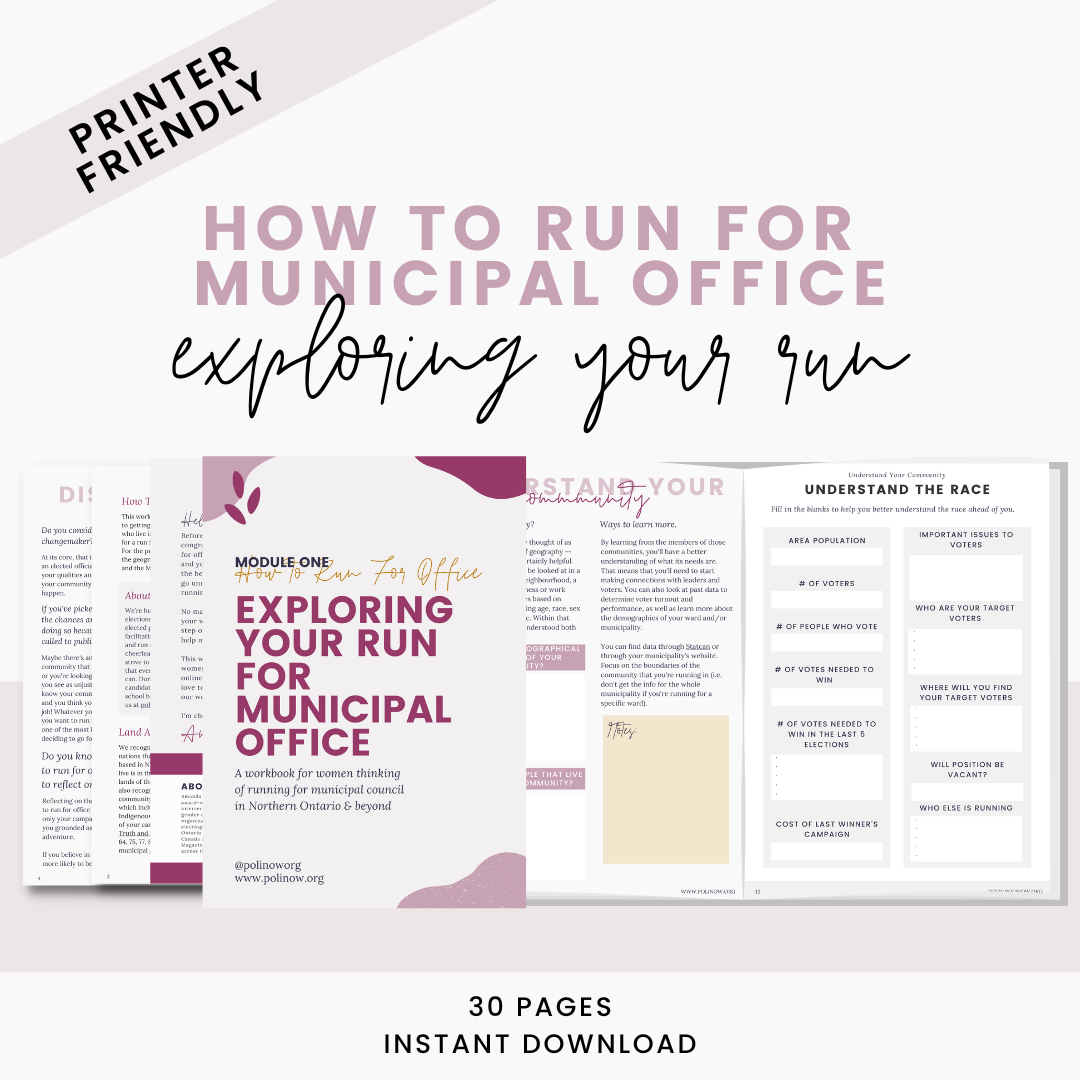
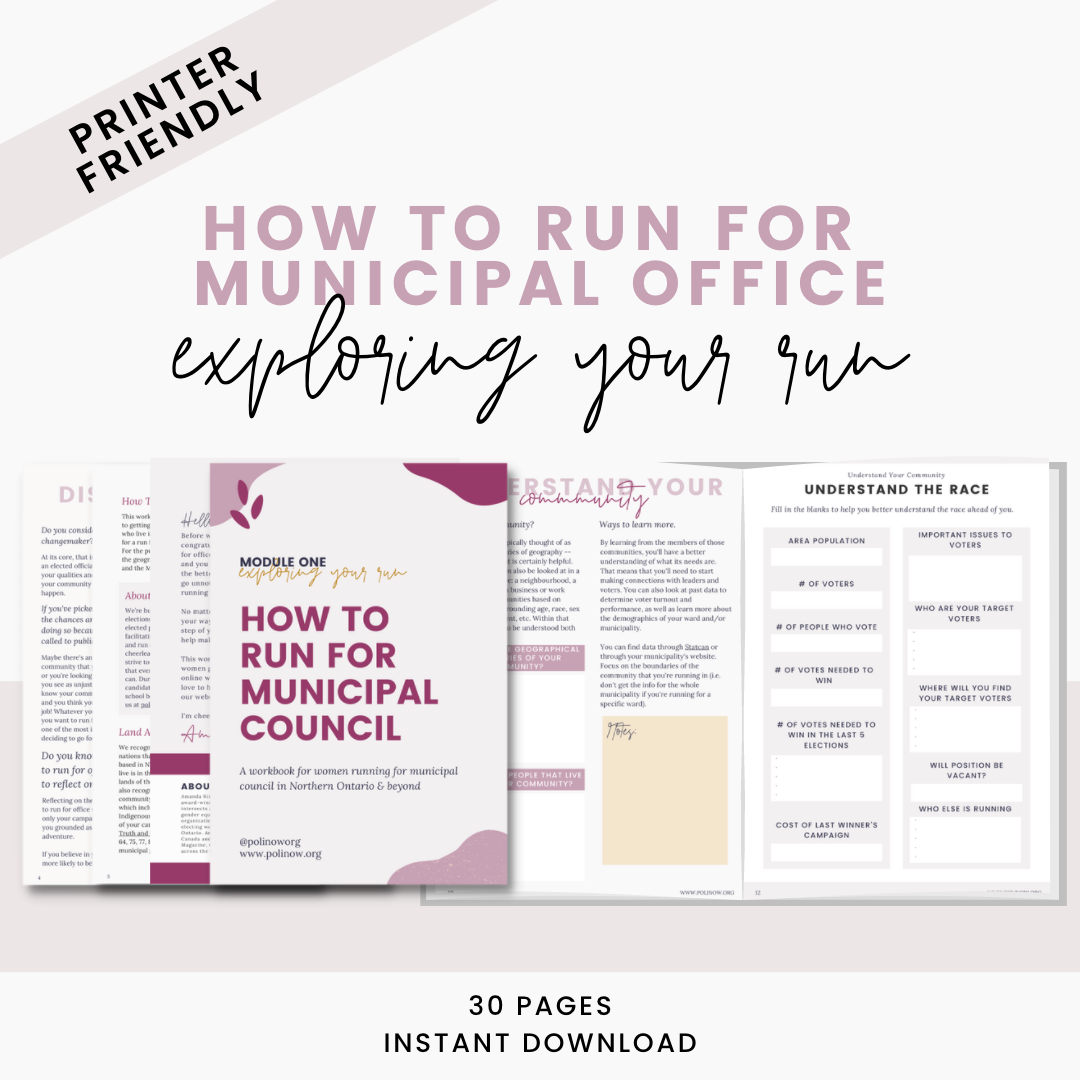
And if you want more support as you figure out whether or not you are ready to run for office, don’t forget our Run For Office workbook. The theme of the first workbook is Exploring Your Run, which will help you explore every single aspect of running for office to make sure that you make the best decision for yourself and give your campaign a fantastic foundation.
How To Run For Office In a New Community
Ever wondered how to start establishing your name in your new community and how to make the connections you'll need to make a run for office? We’ve got 3 tips to get you started.

Run For Office In a New Community
Let us show you how.
Moving to a new community can feel intimidating —
Especially if you’ve been dreaming about running for office.
One of the most effective tools for a base in running for political office is often the roots you’ve put down in your community — the relationships you’ve built, the people you’ve met, the organizations you’ve volunteered for, and the causes you believe in. But what do you do if you’ve recently moved to a new area?
To this, we say:
All hope is not lost.
Seriously. You can make this work. You can still run for office. You can still figure this out.
And we’re going to help you do that.
#1. Read Local Newspapers.
We know that this step seems simple, but it is incredibly effective in helping you get to see the community that you want to serve. You will become better acquainted with the things affecting your new community and get to know the issues they care about. It’s also a great place to find more information about community events.
If you need a little boost to figure out if you have any local news organizations that serve your community, do a quick Google search for “community name + newspaper” and see what comes up. Then get yourself a routine where you read the paper every day — you’ll see how quickly you get to know the issues that matter to your new home.
#2. Sign Up For Local Newsletters
Another great way to get to know your new community is to sign up for local email newsletters or listservs. Find your favourite local community organizations and sign up for their newsletters. Not only will going to their events help you get to know people in your new community, but chances are that they share other significant events that are happening locally with their subscribers.
It’s an excellent way to get a pulse on what’s happening locally and help you make connections. If you are a Northeastern Ontario local, look at Northern Heart & Home and BLM Sudbury — they both have great, informative newsletters that let you know the regions around us wonderfully.
#3. Attend Local Organization Meetings
Attending local organization meetings is a great way to get to know your new community and start meeting other politically involved people. Attend a municipal council meeting, show up for the police board meeting, join a local activism organizing meeting, go to your kids’ parent council meeting, see if any local causes need volunteers ... etc.
Use your passions and your interests to help guide you towards causes you care about. If you’re passionate about women’s involvement in your sector, take a look to see if there are any “women in *insert industry name here*” org that you can get involved in somehow; if you’re passionate about equality, search on Facebook or Google for organizations that would allow you to volunteer your unique talents to.
This is wonderful to start meeting more people, and before you know it, you’ll be putting down roots in your new home.