
Your Custom Text Here
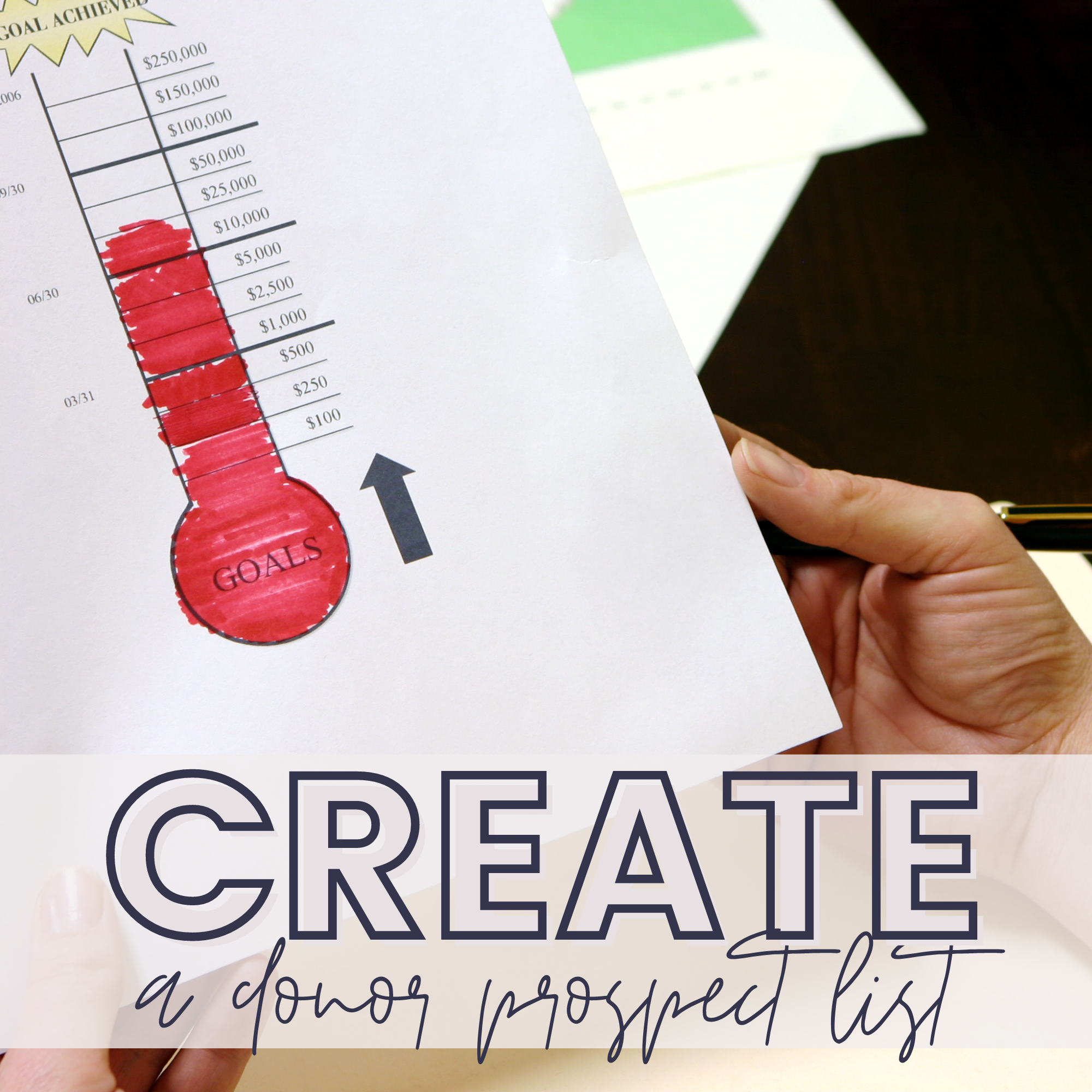
Donor Prospect List Freebie
Maximize your network's potential and create a successful campaign. From funding to voter outreach, this tool simplifies finding supporters. Get ready to make a significant impact!
A No-Fuss Donor Tracking System to Keep Your Fundraising on Track
Fundraising for your campaign doesn’t have to be overwhelming. With so many moving parts, staying on top of donor outreach can be a challenge—but an organized system can make all the difference.
Our Donor Prospect List is a streamlined Google Sheet template designed to help you track potential donors, manage outreach, and stay on top of follow-ups—all in one place. No complicated setup, no unnecessary extras—just a simple, effective tool to keep your fundraising efforts organized and stress-free.
This list provides a structured way to organize your contacts, estimate donor potential, and track outreach progress, helping you avoid financial strain and campaign debt. Instead of scrambling to remember who you’ve contacted or where you left off, this template ensures that every donor interaction is tracked, followed up on, and properly acknowledged.
Whether you’re running for office for the first time or you’re a seasoned candidate refining your strategy, this tool will help you maximize your fundraising potential without the administrative headache.
This product is for you if …
You want a structured, no-fuss system to keep track of your donor outreach
You need an easy-to-use tool to organize potential donors and follow-ups
You struggle to remember who you've contacted and when to follow up
You want to maximize your fundraising potential without missing key opportunities
You appreciate a clean, effective system that lets you focus on building support

Campaign Email Templates Freebie
Save time with ready-to-use campaign email templates for fundraising, volunteer recruitment, and GOTV. Download and customize your copy today!
Send Impactful Campaign Emails Without the Stress
Crafting engaging, effective campaign emails takes time—but we’ve done the work for you! Our Campaign Email Templates give you a head start with pre-written emails designed to connect with voters, recruit volunteers, and boost your fundraising efforts.
This free Google Doc includes multiple email templates covering:
📩 Fundraising – Persuasive emails to encourage donations and build financial support.
📩 Volunteer Recruitment – Messages that inspire people to take action and join your team.
📩 Get Out the Vote (GOTV) – Strategic reminders to mobilize voters when it matters most.
No more wondering what to say or how to phrase it—just copy, personalize, and send! Plus, this document is regularly updated, so you’ll always have fresh, effective email templates at your fingertips.
This product is for you if …
You want a structured, no-fuss system to keep track of your donor outreach
You need an easy-to-use tool to organize potential donors and follow-ups
You struggle to remember who you've contacted and when to follow up
You want to maximize your fundraising potential without missing key opportunities
You appreciate a clean, effective system that lets you focus on building support

Campaign Posters Template Freebie
Create stunning campaign posters with our Canva templates. Personalize colors, fonts, and align with your campaign style. Simply sign up for a free Canva account to get started.
Eye-Catching Campaign Posters in Minutes — No Budget, No Problem!
Your campaign deserves professional-quality materials, but hiring a designer can be expensive—and designing from scratch can feel overwhelming. That’s why we created the Campaign Posters Template: a free, easy-to-use Canva template that lets you create polished, visually appealing campaign posters without any graphic design experience.
With this template, you can:
Customize colors, fonts, and layouts to match your campaign branding
Choose from multiple designs that are optimized for political campaigns
Edit quickly and easily—no design software required, just a free Canva account
Download and print in high resolution for posters, flyers, or online use
Whether you're a first-time candidate or a seasoned campaigner, this plug-and-play solution gives you the tools to create compelling, professional-looking posters—all for free.
This product is for you if …
You want professional-looking campaign posters without hiring a designer.
You need customizable templates that fit your brand and messaging.
You’re looking for an easy, polished way to promote your campaign.
You want templates that are versatile for both digital and print use.
You love free tools that make campaigning easier!
You’re using Canva (or are willing to create a free account).
you might be interested in these other resources we have:




Building a Strong Campaign Team
A strong team is essential for a successful municipal election campaign. Each member plays a crucial role, from advocates to strategic thinkers and communicators. Assemble a winning team to support, guide, and empower you on your journey to victory.

Uniting Forces for Campaign Success
Elections are vital for the functioning of any democratic society, and municipal elections are no exception. As candidates gear up for these crucial contests, one thing becomes abundantly clear: a strong campaign team is the backbone of a successful campaign. The assembled team supports, guides, and propels the candidate toward victory. This blog post will delve into the significance of building a strong campaign team for municipal elections and explore the key elements that contribute to success.
Why is a Strong Campaign Team Essential?
Running a political campaign at the municipal level is challenging. A single person cannot accomplish all the necessary work alone. A strong campaign team brings together diverse skills, experience, and perspectives that complement each other. Here are a few reasons why a strong campaign team is essential:
Dividing responsibilities within a campaign team allows for more manageable workloads. Team members can focus on their areas of expertise, such as fundraising, canvassing, communications, and strategy, ensuring the campaign runs efficiently.
A successful campaign team comprises diverse backgrounds, knowledge, and experience. Their collective expertise provides valuable insights, strategic thinking, and innovative ideas that improve the overall campaign strategy.
A good campaign team is crucial for a candidate's mental and emotional well-being during the demanding election process.
Campaign teams are crucial in expanding a candidate's reach and engaging with influential stakeholders through their networks. They also help cultivate strong community partnerships.
A strong campaign team is essential to the success of a campaign. They should coordinate activities efficiently, manage finances, and schedule events.
Key People on a Strong Campaign Team
When it comes to building a successful team, it's crucial to have members who are skilled and knowledgeable, passionate advocates for the cause, and dedicated to the candidate. These individuals bring enthusiasm and commitment to the table that can make all the difference in achieving goals and driving results. With their unwavering dedication and genuine passion for the cause, effective team members are essential to the success of any project or initiative.
Here are some people that every campaign could use on their squad:
Passionate Advocates
A strong campaign team comprises passionate advocates for the cause and the candidate. They genuinely believe in the vision and values of the campaign and are dedicated to making a positive impact in their community. Their passion is contagious and motivates others to join and support the campaign.
Strategic Thinkers
Effective campaign teams include strategic thinkers who can analyze complex situations, identify opportunities, and develop innovative strategies. They possess critical thinking skills and can navigate the challenges of a campaign with creativity and foresight. These individuals bring fresh perspectives and contribute to the overall campaign strategy.
Excellent Communicators
Strong communication skills are essential for team members interacting with the public, stakeholders, and the media. They can articulate the campaign's message clearly and effectively, engage with diverse audiences, and build meaningful connections. Their ability to listen, empathize, and communicate builds trust and credibility for the campaign.
Community Connectors
Building relationships and connecting with the community is vital for a successful campaign. Team members with deep roots and strong connections within the community can engage voters, mobilize support, and cultivate partnerships. Their knowledge of local issues and community dynamics allows them to tailor campaign efforts effectively.
Organized Managers
Campaigns require meticulous planning, organization, and coordination. Having team members with strong organizational skills ensures that tasks are executed efficiently, timelines are met, and resources are effectively managed. They keep the campaign running smoothly, allowing the candidate to focus on their responsibilities.
Resilient Problem-Solvers
Campaigns often face unexpected challenges and setbacks. Resilient team members can adapt to changing circumstances, think on their feet, and find creative solutions to overcome obstacles. Their positive attitude, perseverance, and problem-solving abilities keep the campaign resilient and focused on the ultimate goal.
Empowering Mentors
A strong campaign team includes experienced individuals who can serve as mentors and guides for newer members. They share their knowledge, provide support, and help develop the skills of others. These mentors foster a collaborative and nurturing environment that encourages personal and professional growth within the team.
Energizing Collaborators
Collaboration is key to a successful campaign. Team members who excel at collaboration can work effectively with others, foster teamwork, and leverage each other's strengths. They value diverse perspectives and actively seek input from team members, ensuring that decisions are well-informed and inclusive.
TL;DR
A robust campaign team is pivotal for success in municipal elections. The team's diversity and expertise lead to efficient workload distribution, strategic brilliance, and emotional support for the candidate. Passionate advocates, strategic thinkers, adept communicators, community connectors, organized managers, resilient problem-solvers, empowering mentors, and energizing collaborators form a dynamic team, enhancing engagement and outreach. Their collective dedication propels the campaign forward, fostering community partnerships and ensuring a streamlined, impactful electoral journey.— continue on your learning journey —
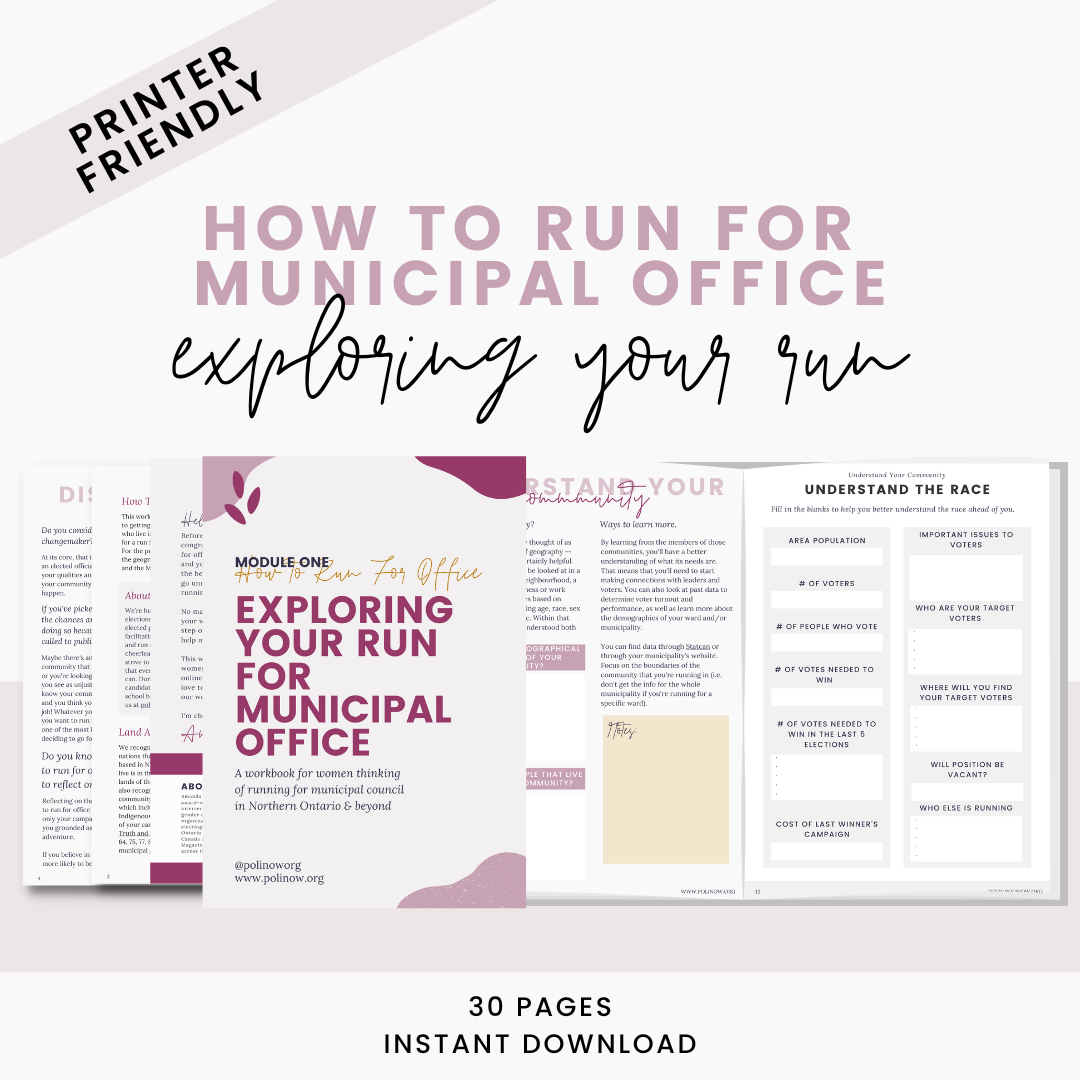


Build a strong campaign team with united, passionate, and capable members who contribute unique talents and perspectives to make a positive difference in your community. Together, create a campaign that resonates with voters, inspires change, and leaves a lasting impact.

How To File Your Financial Statement
We’re diving into essential information about the responsibilities of candidates in municipal council and school board elections when it comes to completing and filing financial statements. Be sure to read and understand the information in the paragraph to ensure that you can run successfully in future elections.

As a municipal council or school board election candidate, it's essential to understand your responsibilities when completing and filing your financial statement.
How To File Your Financial Statement
First and foremost, all candidates must file a financial statement using Form 4. This includes candidates who withdrew their nomination, weren't certified, didn't appear on the ballot, and were acclaimed.
To complete your financial statement, you'll need to fill in Box A with your name and the office you're running for, as well as Box B, the Declaration. If you didn't receive any contributions (including from yourself) or incur any expenses, you'll just need to check the appropriate box and complete the Declaration in Box B. If you did receive contributions or incur expenses, you'll need to fill out the information in Box C, Box D, Schedule 1, and Schedule 2 as appropriate. It might be helpful to start with the more detailed sections, like the tables in Schedule 1, before moving on to Box C, the Statement of Campaign Income and Expenses.
If your campaign contributions or expenses exceed $10,000, you'll need to include an auditor's report with your financial statement. Once you've completed your financial statement, it's essential to submit it to the clerk by 2 p.m. on the last Friday in March (March 31, 2023). If you need to submit any supplementary financial statements, they'll need to be submitted by 2 p.m. on the last Friday in September (September 29, 2023).
let's talk about leftover campaign inventory
Any leftover inventory at the end of your campaign becomes your personal property. If you want to store materials for use in a future election, any storage costs will be personal expenses, not campaign expenses. It's important to note that the value of all goods must be recorded as an expense, even if you have unused inventory at the end of your campaign. Don't subtract the value of unused goods from your campaign expenses, as this will result in the campaign appearing to have a surplus that you don't actually have.
If your campaign ends with a surplus after you've refunded contributions made by yourself or your spouse, you'll need to pay the surplus to the clerk when you file your financial statement. The surplus will be held in trust and can be used to cover expenses related to a compliance audit. If the surplus isn't needed for these expenses, it becomes the property of the municipality or school board. If your campaign expenses exceed your campaign income, your campaign will be in deficit. It's worth noting that ending your campaign with a deficit may raise questions about how expenses were paid for and whether you contributed more than your self-funding limit by paying outstanding expenses with personal funds.
Know Your Deadlines
As a candidate, it's your responsibility to file a complete and accurate financial statement on time. The deadline for filing is 2 p.m. on the last Friday in March following the election (March 31, 2023). Even if you have a bookkeeper or accountant complete your financial statement, you're still responsible for ensuring it's complete, accurate, and filed on time. Financial statements don't need to have original signatures. You can contact your clerk to see if you can file your statement electronically if you're unable to file it in person. If you filed a nomination form, you'll need to file a financial statement (regardless of whether you withdrew your nomination, were not certified or didn’t appear on the ballot).
If you think you'll be unable to file your financial statement by the deadline, you can apply to the Superior Court of Justice for an extension before March 31, 2023. If the court grants the extension, you'll be able to receive a refund of your nomination fee if you file by the deadline given by the court. There is also a grace period for filing, which allows you to file your financial statement after the deadline if you cannot file on time due to circumstances beyond your control. To qualify for the grace period, you'll need to file your financial statement within six months of the deadline and include a written explanation of the circumstances that prevented you from filing on time.
If you file your financial statement late, you'll be required to pay a late filing fee. The late filing fee is $500 if you file within six months of the deadline and $1,000 if you file after six months. If you don't file a financial statement or pay the late filing fee, you'll be disqualified from running in future elections until you've filed your financial statement and paid the late filing fee.
Track Your Contributions
If you didn't receive any contributions (including from yourself) or incur any expenses, you only need to fill out the first page of the financial statement and sign it. If you did receive contributions or incur expenses, you'll need to complete the relevant parts of the financial statement.
It's important to keep good records of your campaign contributions and expenses, as you'll need to provide them to the clerk when you file your financial statement. You can contact your clerk for more information if you have any questions about what needs to be included in your financial statement. It's also a good idea to review the Candidates' Guide, which provides detailed information about the rules and requirements for candidates in municipal council and school board elections.
TL;DR
It's super important to make sure you understand all the responsibilities that come with completing and filing your financial statements. This includes figuring out how much your leftover campaign swag is worth and paying any extra money you have left over to the clerk. It's also a good idea to keep track of everything and make sure you know all the rules and requirements for candidates, which you can find in the Candidates' Guide. And if you forget to file your financial statement or pay the late fee, you might not be able to run in future elections. Just something to keep in mind!it's super important to make sure you understand all the responsibilities that come with completing and filing your financial statements. This includes figuring out how much your leftover campaign swag is worth and paying any extra money you have left over to the clerk. It's also a good idea to keep track of everything and make sure you know all the rules and requirements for candidates, which you can find in the Candidates' Guide. And if you forget to file your financial statement or pay the late fee, you might not be able to run in future elections. Just something to keep in mind!And if you’re looking for more information, remember that you can always consult the Ontario 2022 Candidates’ Guide, which gives you all of the up to date information that you need.
— continue your learning journey —
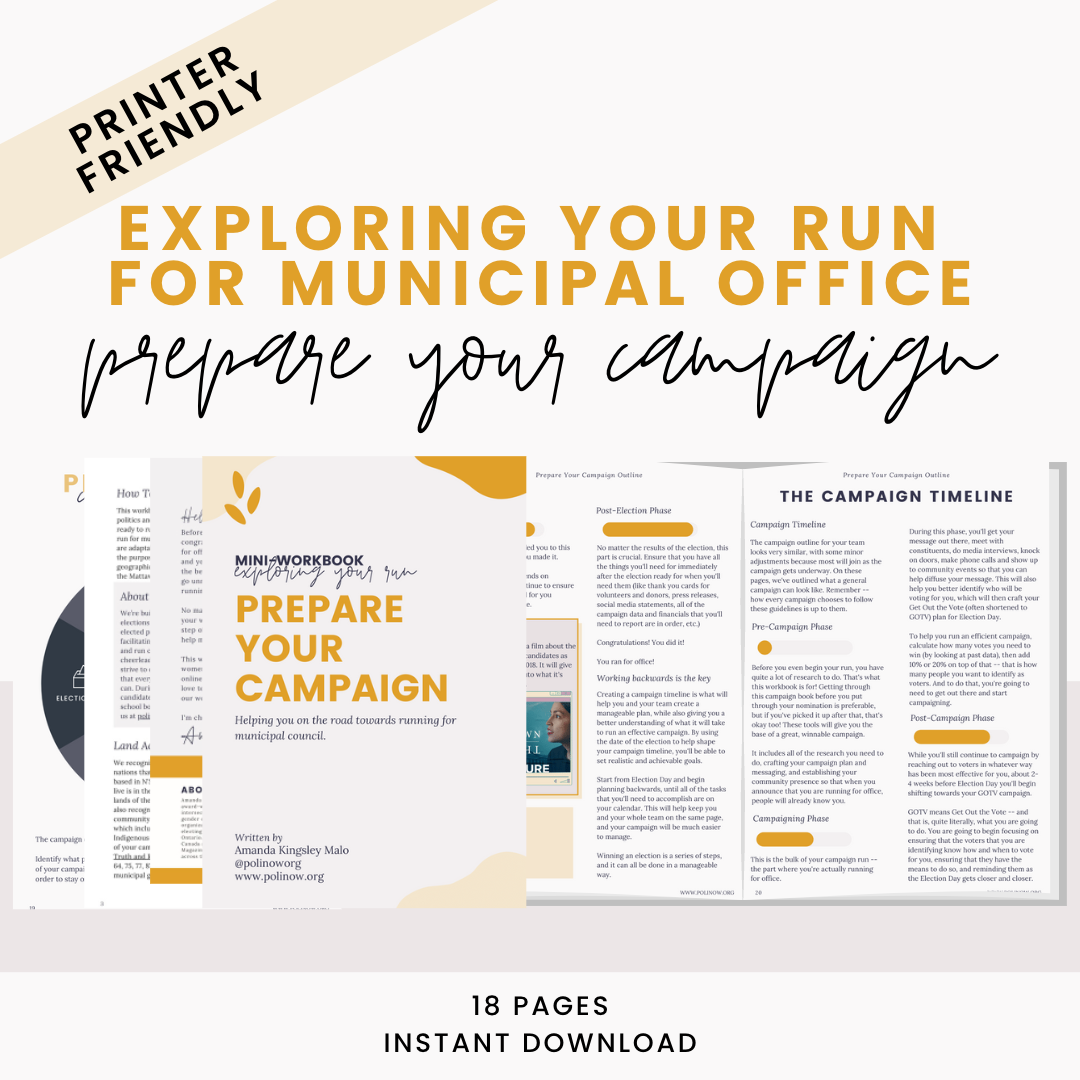

Planning Your Campaign By Phase
By understanding what phase your campaign is in, you’ll better be able to plan to win. Learn what those phases are, what the parts of campaigning entail, and start getting your campaign plan together.

What Are the Phases of a Campaign
What phase of the campaign are you in?
If you’ve ever done a really big campaign, you’ll know that the most effective way to plan it is to take your Big Day and then start planning backwards from it. This is why it’s so important to know a campaign's phases to ensure that you’re on track.
Most campaigns have phases that fall within the following categories:
Consideration.
This is you if: you’ve told yourself that you’re interested in running for office, but you’re not super committed yet, or you are still in the very early stages of exploring your run. And that’s okay! This will give you the chance to honestly figure out if you want to run or not. Make sure you talk through your fears and work through the barriers before diving in!
Exploration.
This is you if: you’ve started talking to people more seriously about running for office. You’re talking to people outside of your immediate circle — your connections, colleagues, community leaders and sometimes strangers — to start laying the groundwork and foundation for your run. You’ve begun recruiting members to your team and setting up your campaign.
Announcement.
This is you if: you’ve made it official, and now, you’re running!
Campaign.
This is you if: you’re in full campaign mode. You’re knocking on doors, you’re identifying votes, you’re getting donations, you’re posting on social media, you’re crafting policy ideas, and you’re connecting with voters in a variety of ways.
Election Day
This is you if: it’s the day itself! Make sure you go to Get Out the Vote (also known as GOTV).
Post-Election
This is you if: the election has passed and you are ready to wind down your campaign. You must ensure that you keep your campaign finances in order and get your legal reports to hand in before the deadline.
You’ll need to figure out where you are on that scale and start planning accordingly. To do that, you’ll want to ask yourself the following questions to help you come up with a simple plan:
How many days away is the Election?
How many voters do I need to ID by that date?
How many people should I speak to identify that many votes?
How am I going to speak to those people?
How much money will I need to make it happen?
Asking yourself these questions and knowing what phase of the campaign you’re in will allow you to know what you need to do by when. For example:
You know that you need 3000 votes to win the election and that you want to encourage 3500 people to go out and vote by Election Day. You know there's only 100 days until Election Day, so you'll need to identify approximately 2.8 voters per day.
What is your plan for doing that?
Will you canvass, or would you rather do a text bank? Could you cut down on canvass days if there’s a local festival and you set up a booth for a weekend?
How many volunteers will you need to accomplish this task?
How much money would you need to accomplish this task?
Going through these questions one by one, and knowing exactly what campaign phase you’re in, is going to give you the focus that you need to ensure that you make it to the finish line with the things that you need to actually win your campaign.
Looking for some extra support?
Grab one of our workbooks!
Our workbooks are your step-by-step approach to help you really dive into the fundamentals of a successful campaign, and are the thing that you absolutely need to help you run for office.