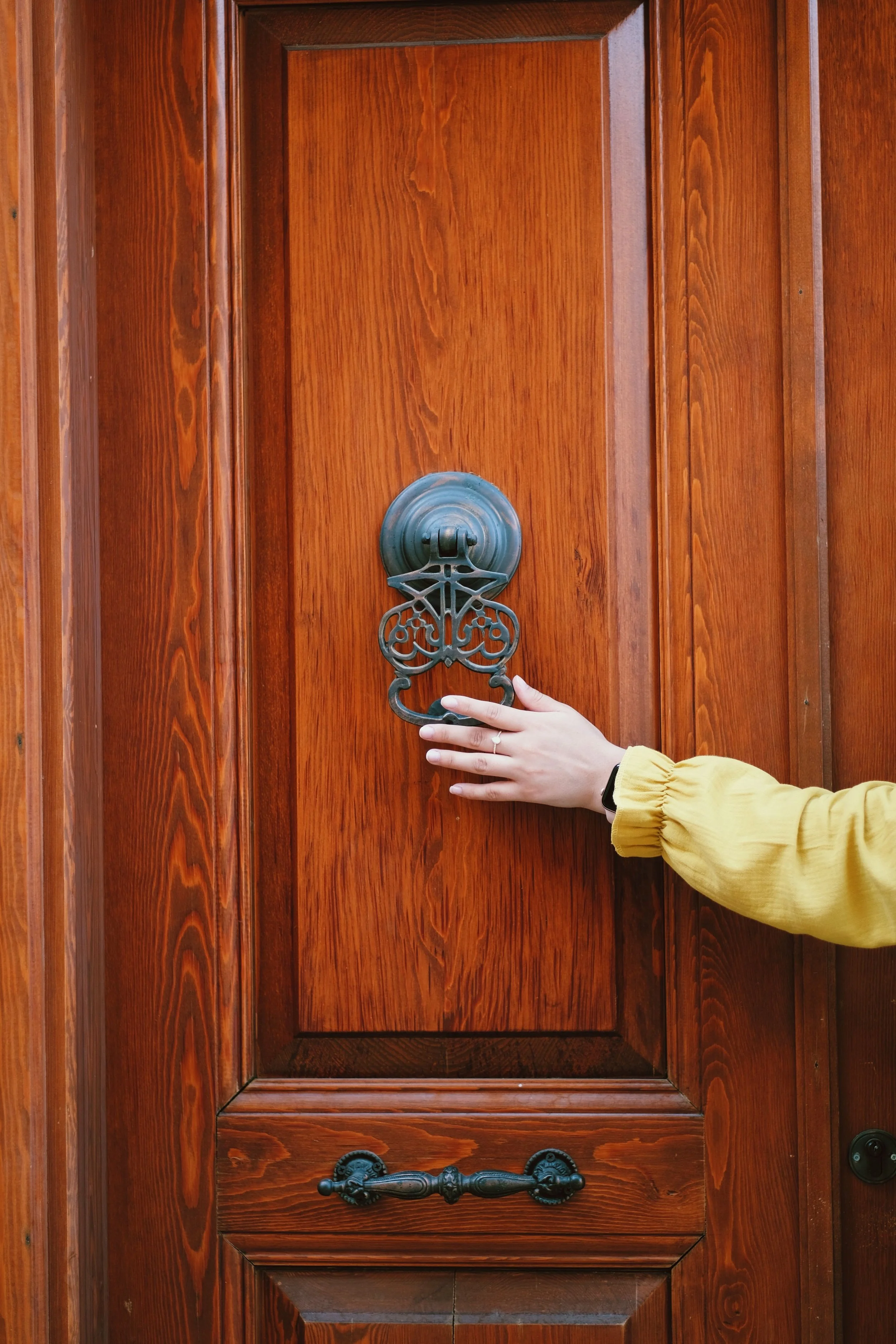
Door knocking can feel intimidating the first time. Here's what you actually need to know before you head out.
If you’ve never canvassed before, the idea of walking up to a stranger’s house, knocking on their door, and introducing yourself as a candidate can feel a little terrifying. What are you supposed to say? What if they don’t like you? What if they ask you something you don’t know? What if nobody answers?
First, take a breath.
Door knocking is one of the best ways to meet the people you’re hoping to represent, and your first canvassing shift will probably feel much more normal than you expect. You don't need to be a natural politician. You just need to be willing to knock on the next door.
Most People Won’t Answer
This is one of the first things new candidates discover. You knock, you wait, and nothing happens. You knock on the next door, and nothing happens again. Suddenly you're wondering whether you're doing something wrong.
You're not. People are at work, out walking the dog, putting the kids to bed, or simply don't hear the door. No answer isn't a rejection. It's just a no answer. Keep going.
And then, every so often, someone will open the door and say, “Oh! I've been meaning to talk to you!”
Some People Will Be Excited to See You
These conversations can be some of the most rewarding parts of campaigning. Someone might have questions for you, tell you exactly what they think council should be doing, introduce you to their partner, or share a story about their neighbourhood that you hadn't heard before.
When someone wants to talk, don't feel like you need to rush through the conversation just because you have more doors to knock on. Listen.
You're not just campaigning; you're learning about the community you're asking to represent.
Some People Won’t Want to Talk
And that's okay, too.
Someone might open the door and immediately tell you they're not interested. They might be busy, they might not want to talk about politics, or they might already know who they're voting for. You don't need to change their mind.
A simple “No problem. Thanks for your time. Have a great evening!” is enough. You can leave knowing that you were respectful of their time and their choice.
Someone Might Disagree With You
Eventually, you'll meet someone who strongly disagrees with you. This can be uncomfortable, especially when you're personally invested in the campaign.
Try not to see every disagreement as a debate you need to win. If the person wants to talk, ask questions and listen to what they're telling you. You may learn something.
And if the conversation becomes disrespectful, you are allowed to end it. You don't have to stand on someone's doorstep and defend your entire existence as a candidate.
You Will Probably Get a Question You Can't Answer
It happens to everyone. Someone asks about a municipal issue you've never encountered before, or they want to know something specific that you haven't researched yet.
You don't need to make something up. You can simply say, “I'm not sure, and I don't want to give you the wrong information. Let me look into that.”
Being willing to say “I don't know” is a strength. You're running for office, not auditioning to be an encyclopedia. And in our experience, people usually really appreciate when you say you’re going to look into something for them and then actually follow through — it shows commitment to your constituencies, and is proof of how you’re going to represent them once elected.
You Don't Need to Give a Speech at Every Door
This is probably one of the biggest misconceptions about canvassing. You don't need to deliver your entire platform every time someone opens the door.
Introduce yourself, tell them you're running, explain briefly why you're running, and ask what matters to them. Then listen.
Some conversations will last 30 seconds. Some will last 20 minutes. Both are completely normal.
Your First Few Doors Might Feel Weird
Let's be honest: they probably will.
You might walk up to the first door thinking, What am I doing? I can't believe I'm actually doing this. Then you'll knock, say your name, and survive. After a few conversations, you'll start to find your rhythm.
You may even discover that you really enjoy it.
Don't judge your entire canvassing ability based on your first five doors. You're learning.
Bring a Friend
If you're nervous, you don't have to do your first shift alone. Ask a campaign volunteer, friend, or member of your campaign team to come with you. Having someone beside you can make those first few doors much easier, and canvassing with another person can be more fun.
Over time, you may even become the person who helps someone else feel comfortable knocking on their first door.
Pay Attention to What You Hear
One of the best things about canvassing is that you'll hear things you never would have heard sitting behind your campaign desk. You'll learn what people love about their neighbourhood, what they're frustrated about, what they wish their community had, which issues keep coming up, and what concerns you hadn't considered.
Write things down when you can. Not every conversation will give you a campaign issue, and sometimes someone will simply tell you a story about their community. Those stories matter, too.
Don't Measure a Good Canvass by How Many People You “Won Over”
This is important. A successful canvassing shift isn't necessarily the one where you convince the most people to support you.
Maybe you talked to someone who had never heard of you. Maybe you learned something important about the community. Maybe someone introduced you to a neighbour. Maybe you had a really good conversation with someone who disagreed with you. Maybe you knocked on 50 doors and only spoke to 12 people.
That's still 12 people you wouldn't have met otherwise.
The goal is connection. The votes come later.
And Eventually, It Will Feel Normal
The first door is hard. The tenth door is easier. Eventually, you'll walk up to a house, knock, smile, introduce yourself, and start the conversation without having to think about every word.
That's when you'll realize: Oh. I can actually do this.
And you can.