Your Custom Text Here
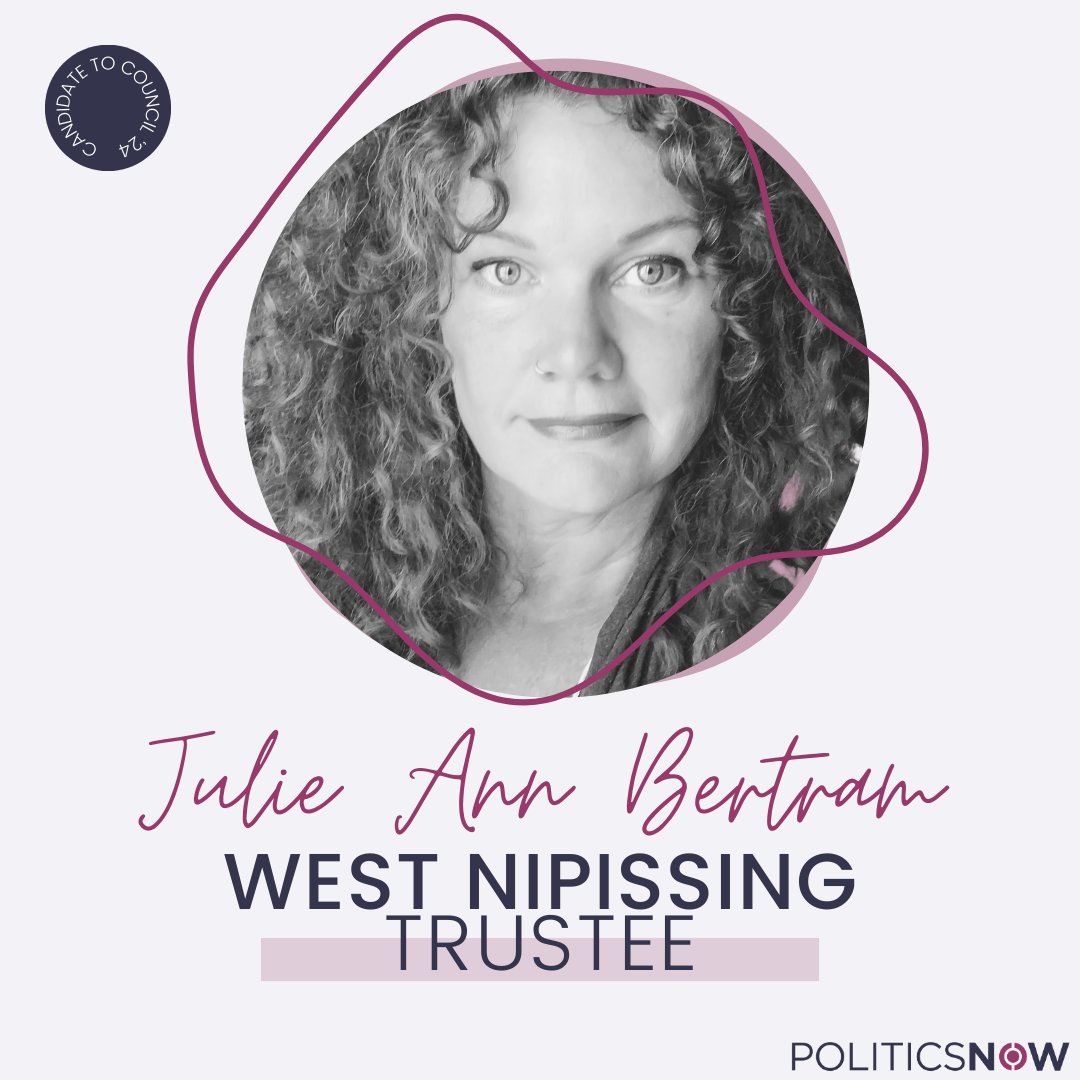
Julie Ann Bertram
Julie Ann Bertram is a School Board Trustee in Zone 1 for the Near North District School Board in West Nipissing.
In our ongoing effort to spotlight the experiences of women in municipal politics, we reached out to those elected in the 2022 municipal elections in Northern Ontario. We asked these newly elected councillors and trustees to share their insights and reflections on the transition from candidate to council. Here are their candid and firsthand accounts of the challenges, surprises, and lessons learned along the way.
Julie Ann Bertram is a School Board Trustee in Zone 1 for the Near North District School Board in West Nipissing.
What initially inspired or motivated you to run for council, and how did you envision your role before being elected?
I was inspired to help my community by actively participating, and promoting the role of public education as a means to improve society. I expected a large learning curve, which is still happening. I also expected to be able to share ideas easily with colleagues.
How did your expectations or perceptions change once you took office?
The abundance of red tape is ridiculous… e.g. Robert’s Rules [being] used as a hindrance to dialogue instead of a guiding template for meetings. There seem to be plenty of egos and personal agendas going around.
What do you wish people knew about running for office, based on your own experience?
People should understand that a board’s policies, bylaws, and guidelines are fundamental to governance. I wish I had spent more time familiarizing myself with them while running for election - it would have saved me months of stress, jumping into the role and frantically trying to absorb so much information while also dealing with decisions/processes that were already in place before I arrived.
Looking back at your first year in office, what were the most rewarding aspects of serving in your municipal role?
I found out that I love conferences, everyone is there for a common purpose. Conversations with people who genuinely care about making the world a better place [are] so inspiring! Bringing that enthusiasm back has been incredibly rewarding, and has helped improve my ability in the role.
On the other hand, what challenges did you face during your first year, and how did you navigate or address them?
I learned how to be bold! There is no [room] for being timid. I feel a lack of communication, and it’s difficult to navigate, but emotions should not overwhelm the reasons I’m there in the first place. Calming my anxiety has been a great skill to learn!
What valuable lessons have you learned or insights gained that you'd like to share with others considering a similar path in politics?
This is something that people should understand: diplomacy is key to building and sustaining relationships, [whether] with colleagues or with the public. Thick skin and strong ethics are required.
Where can people find you?
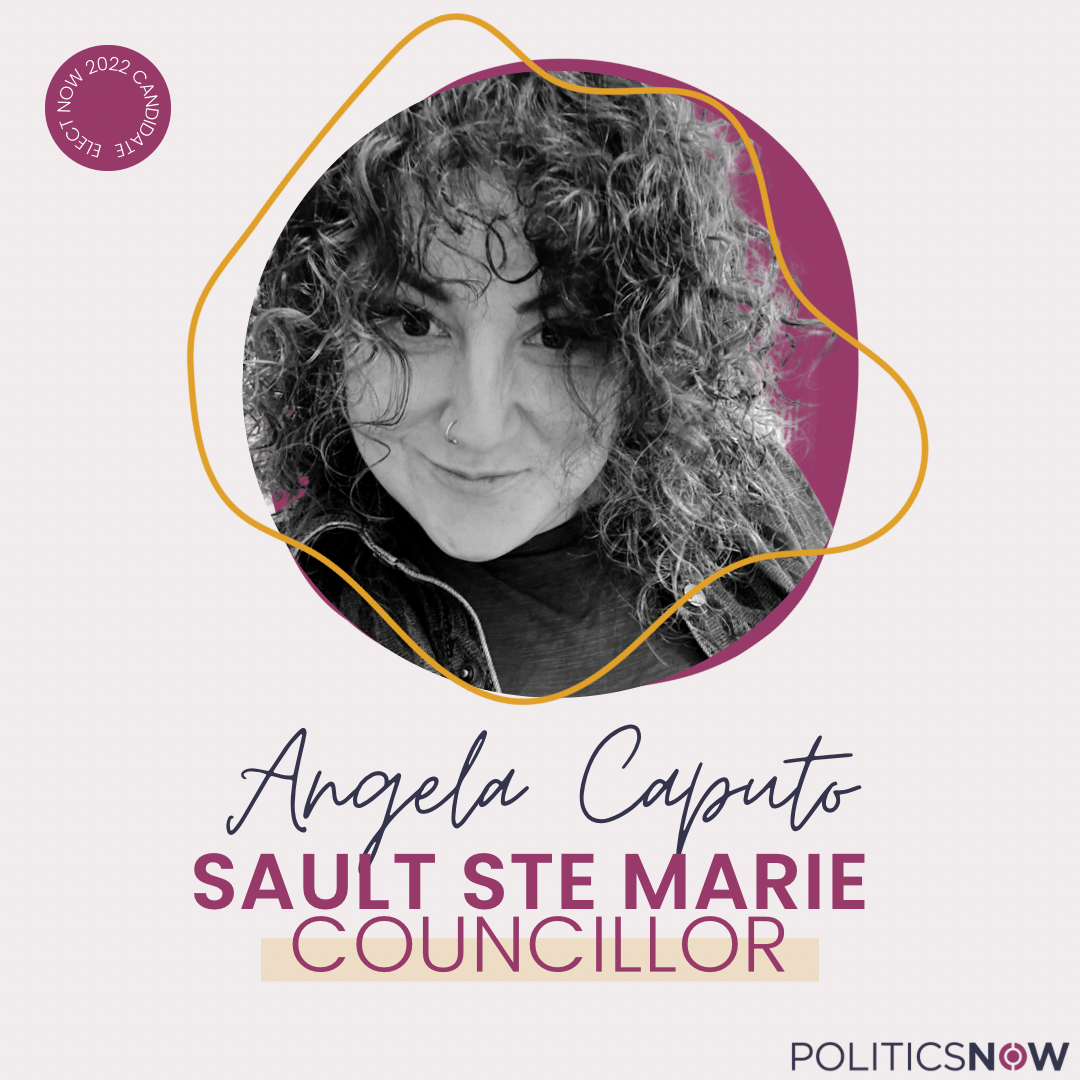
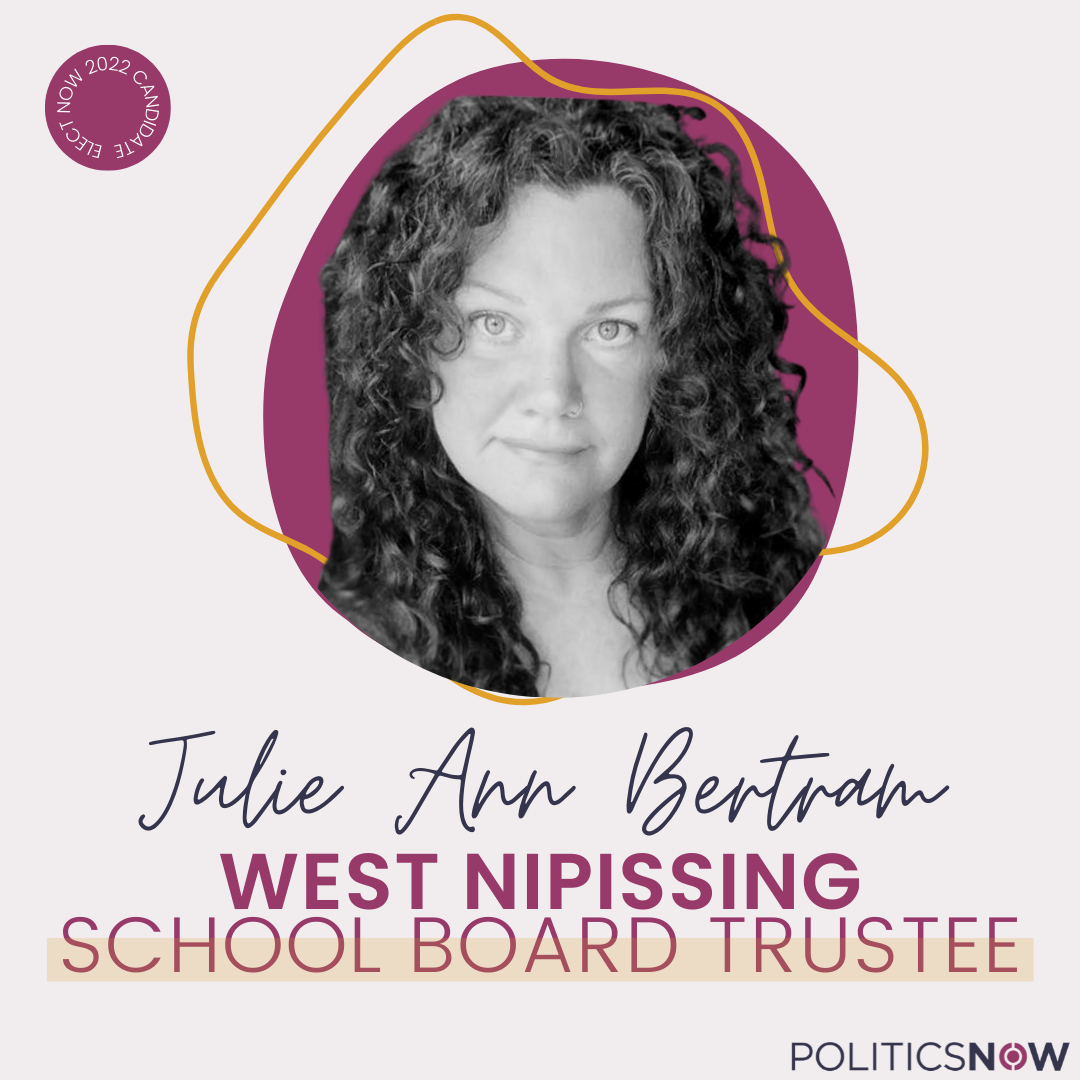
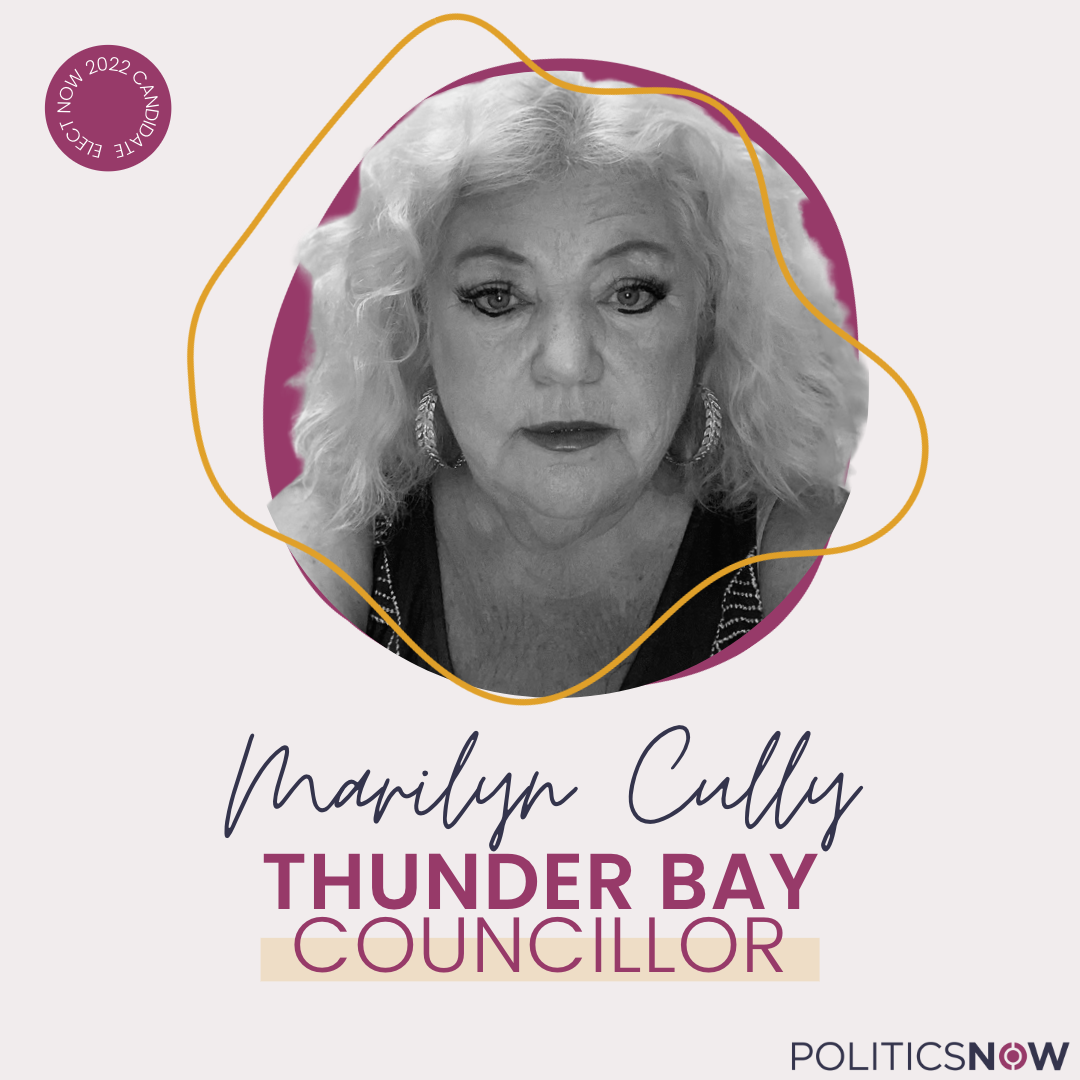
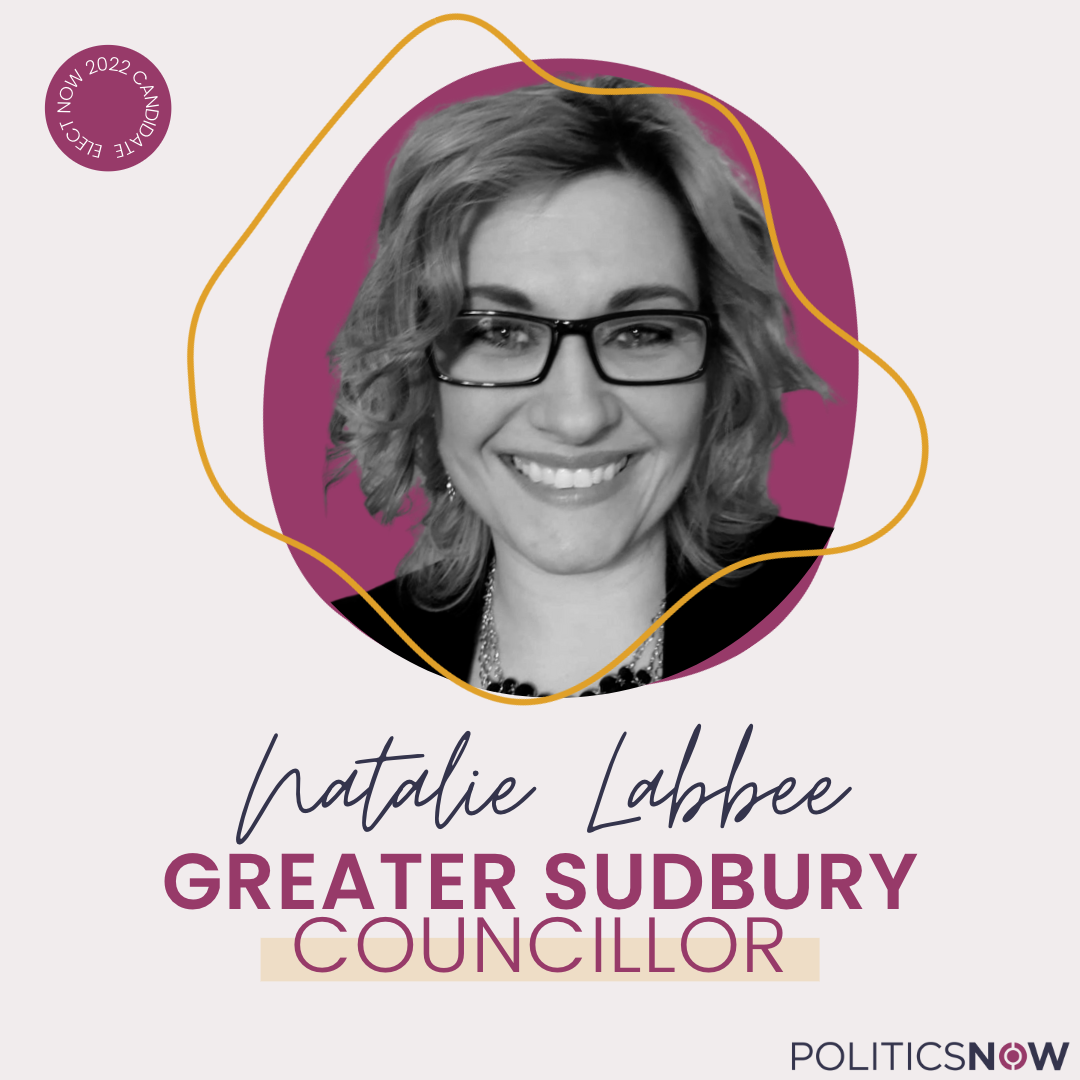
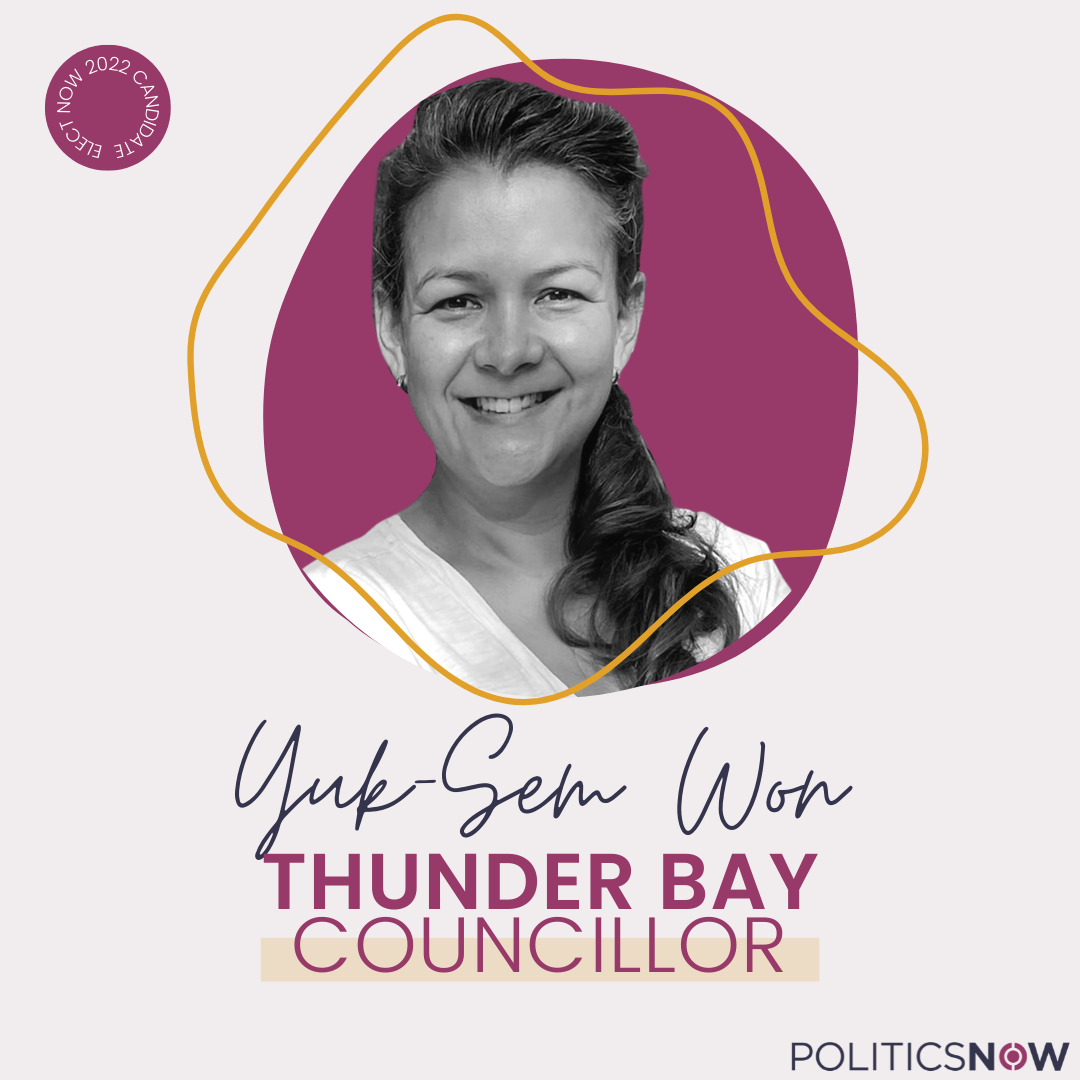
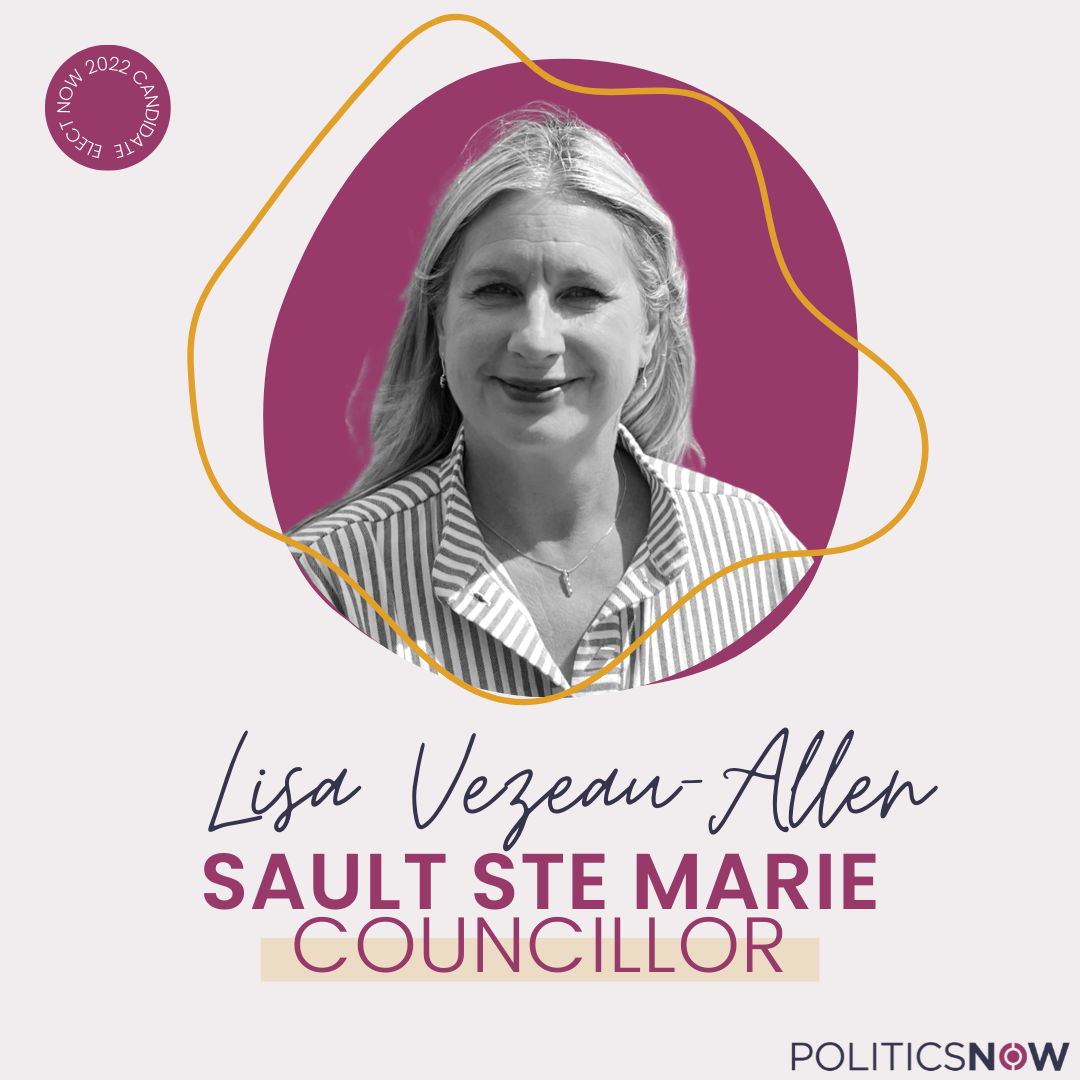
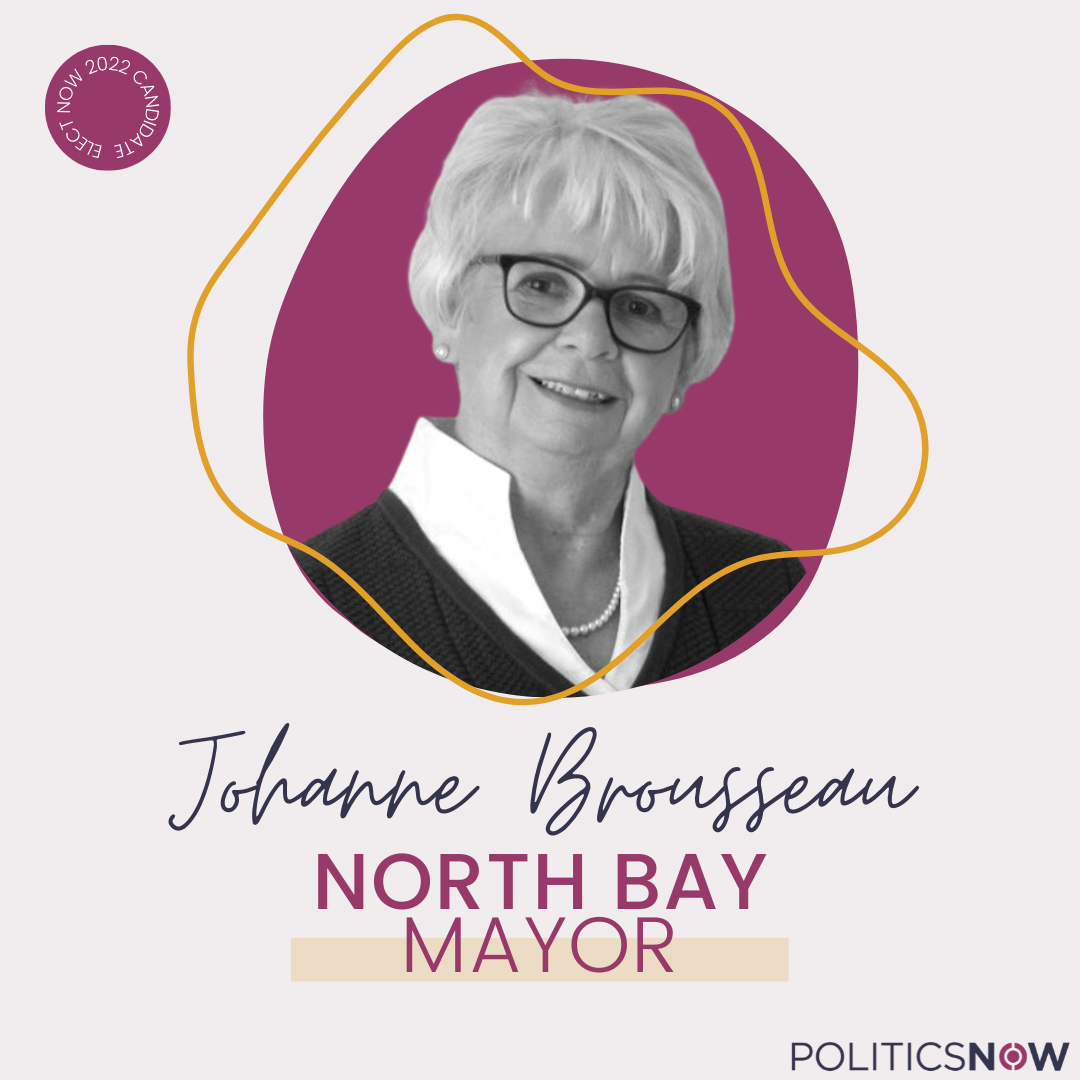
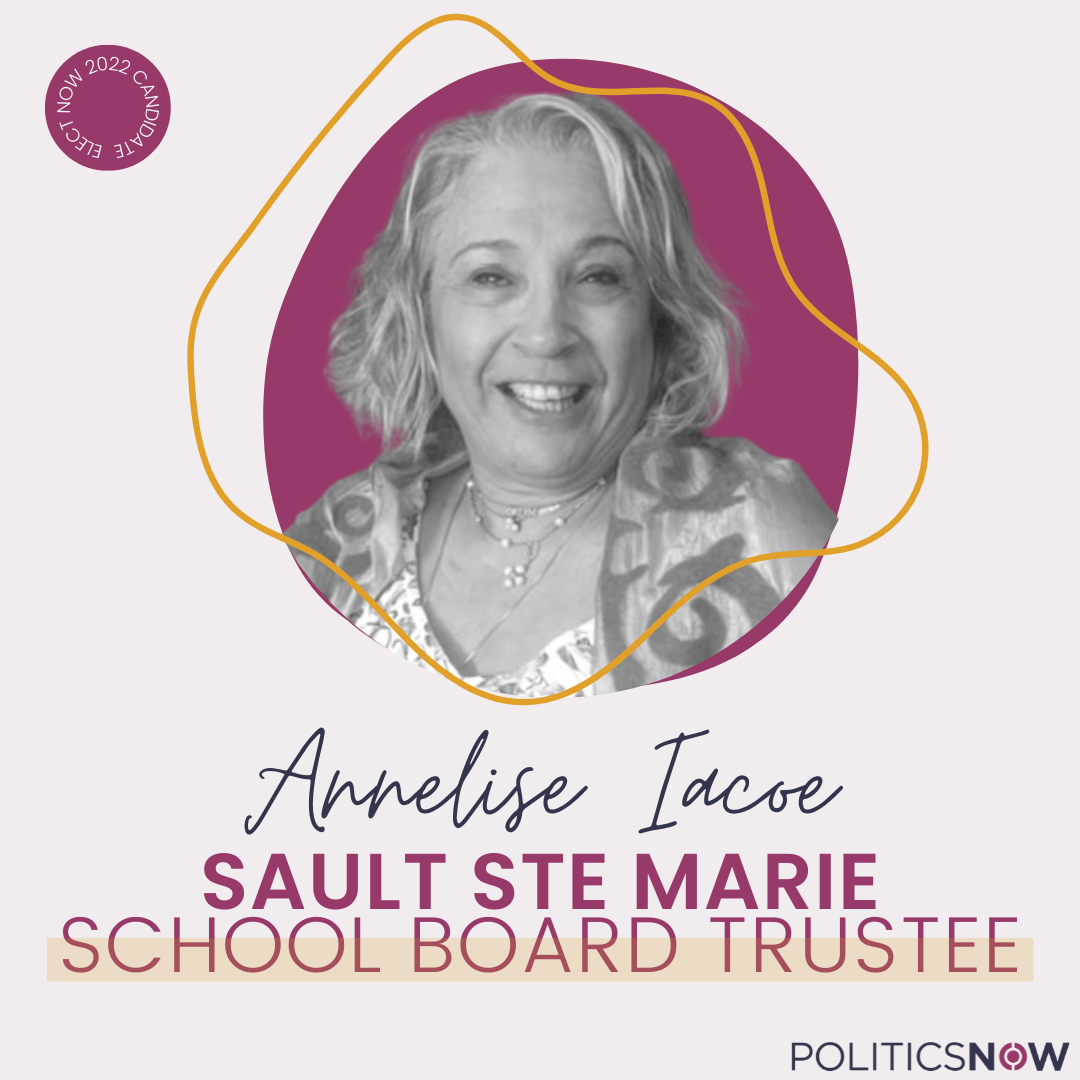

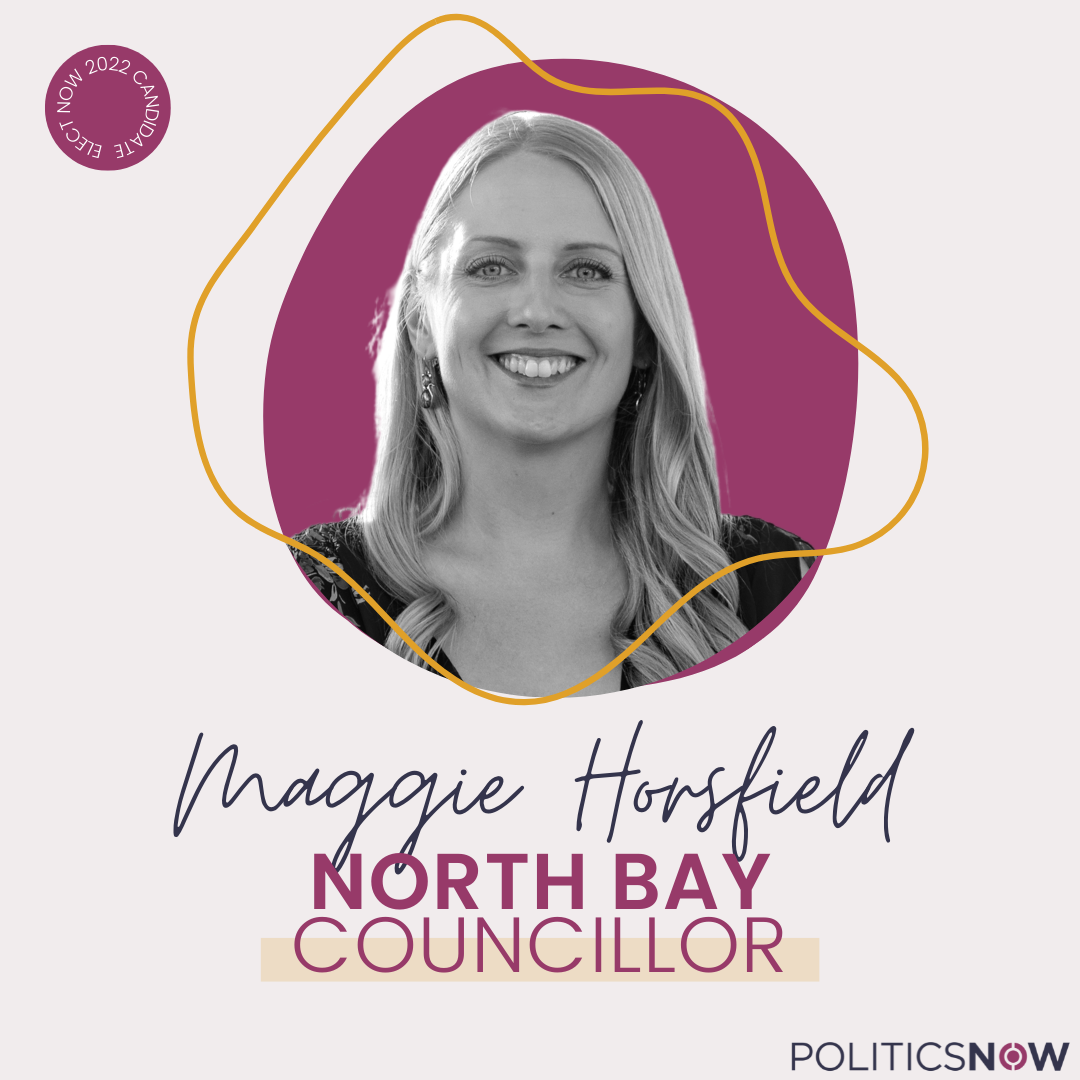
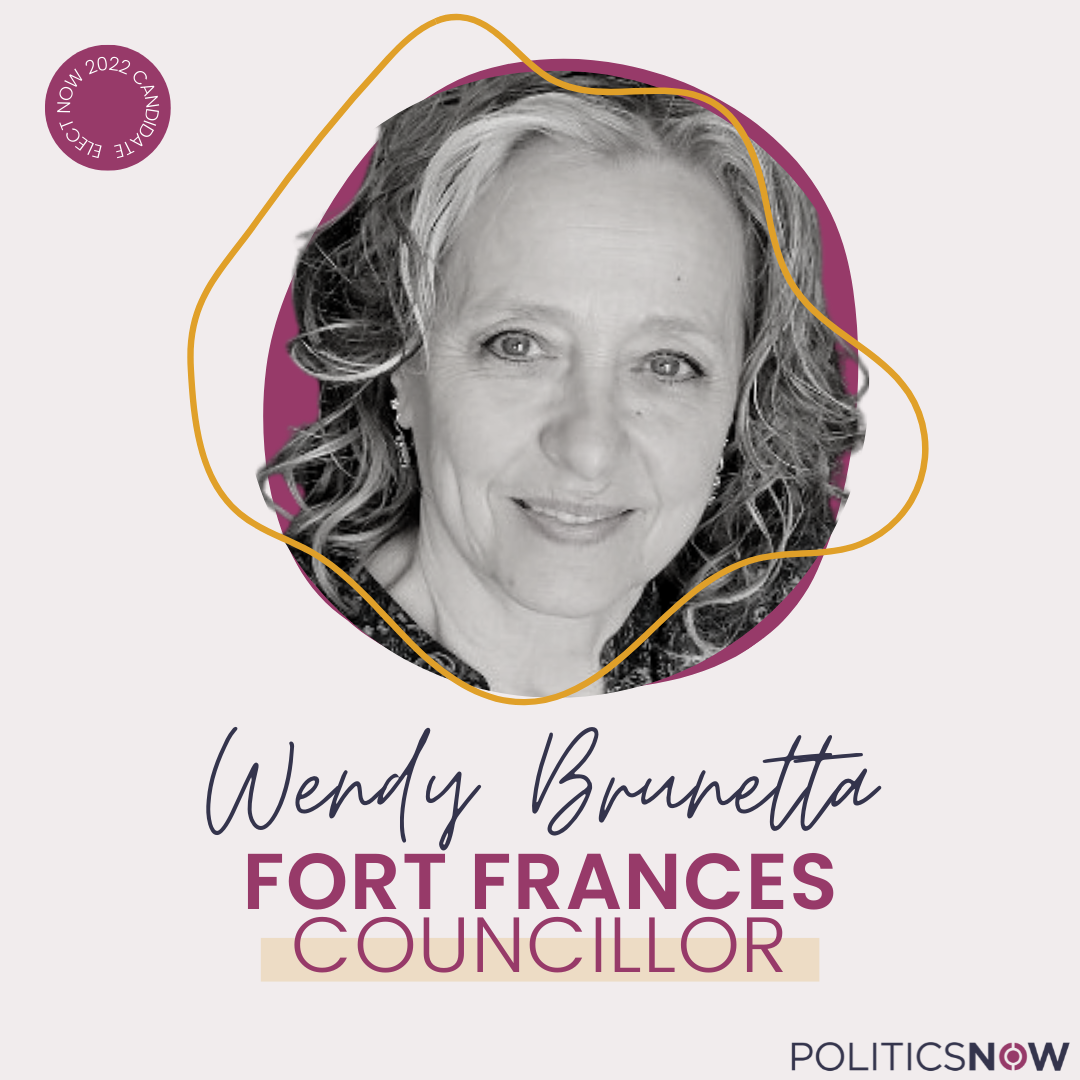
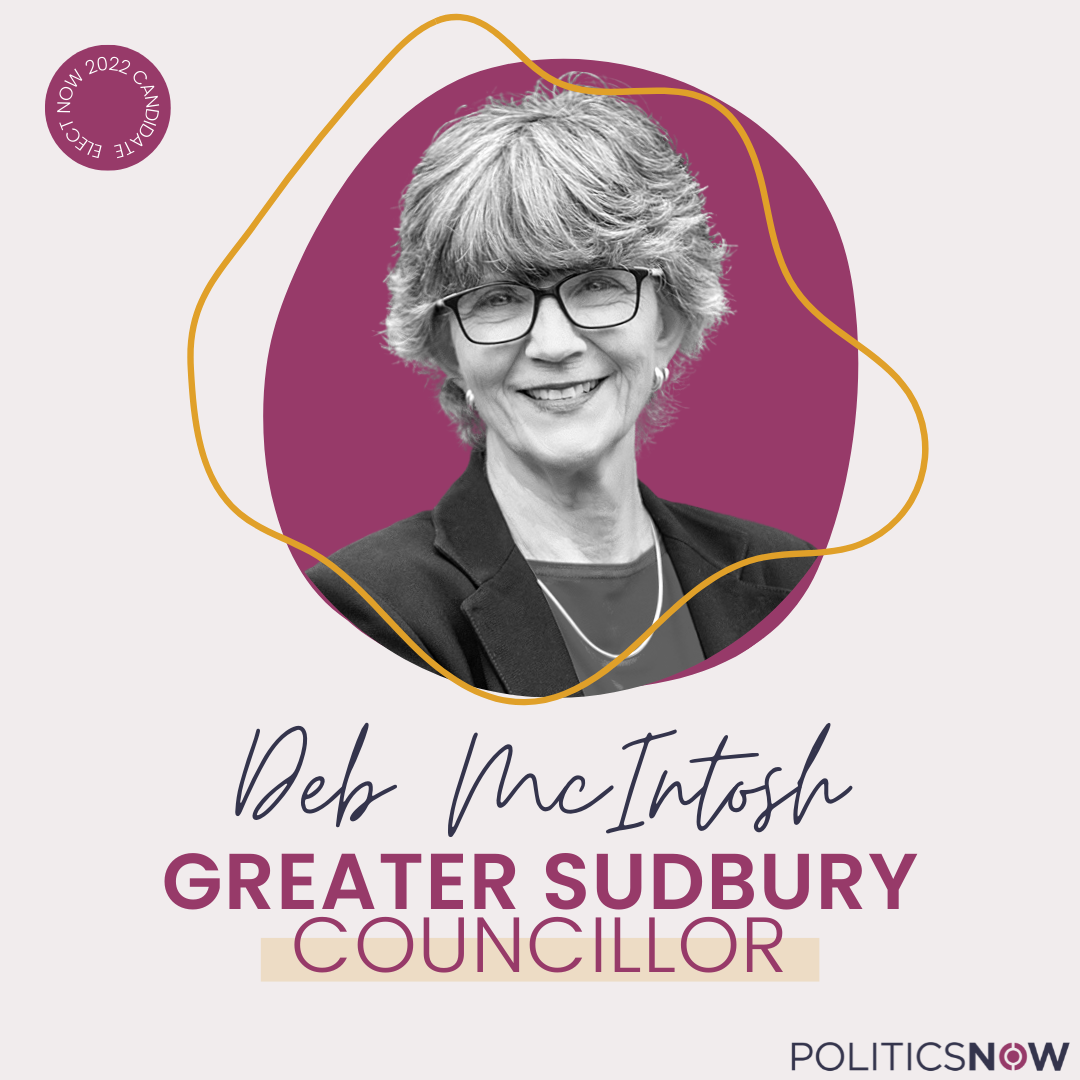
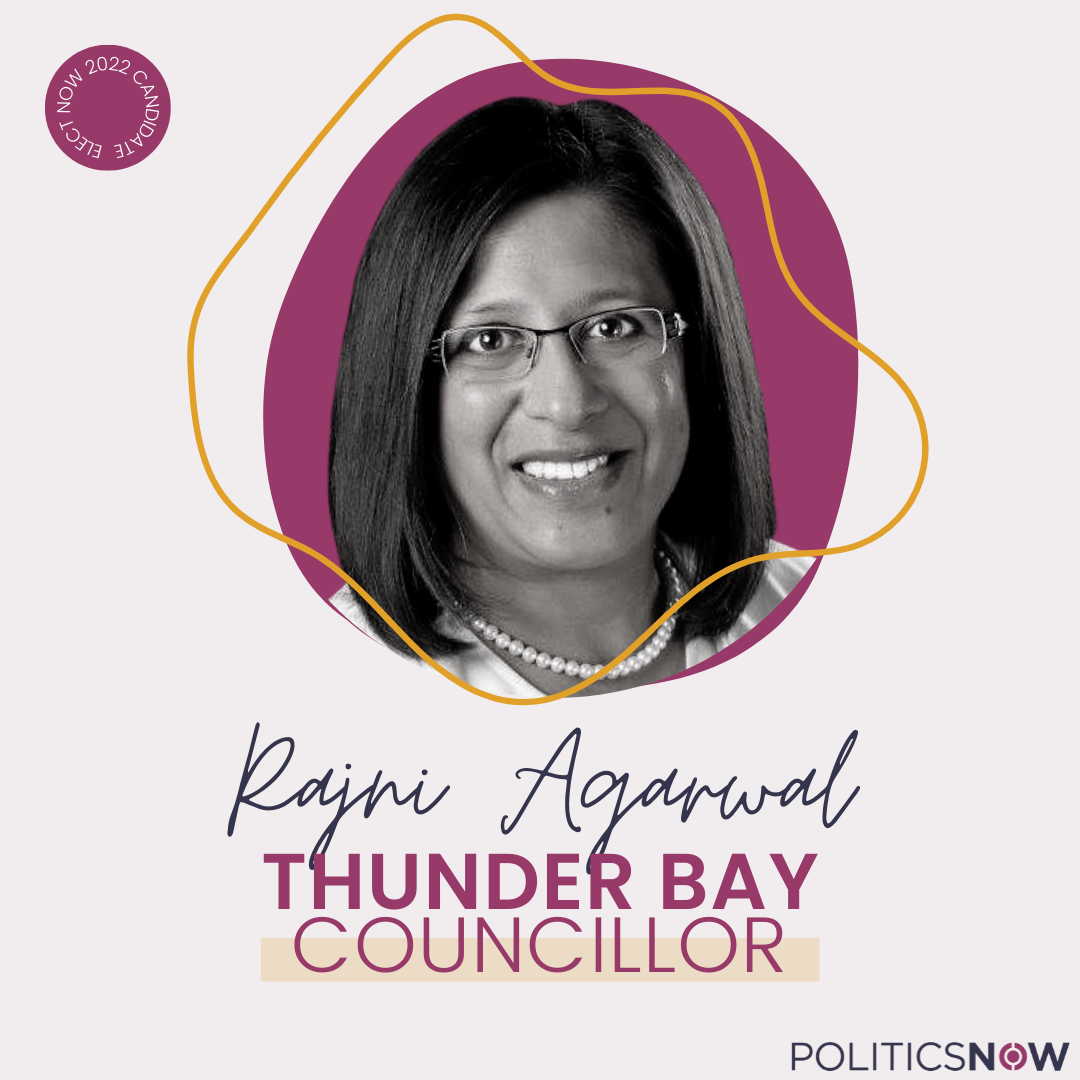
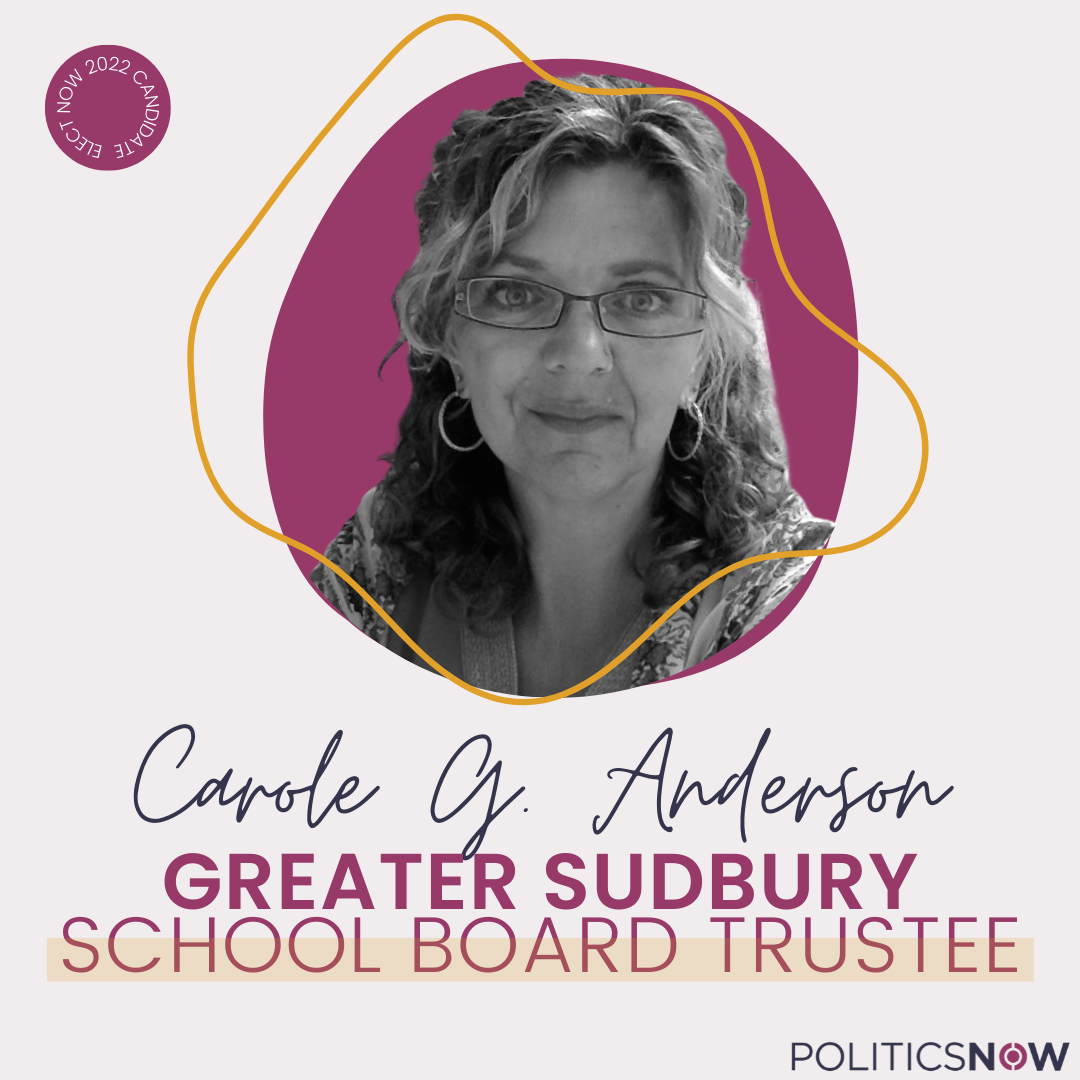
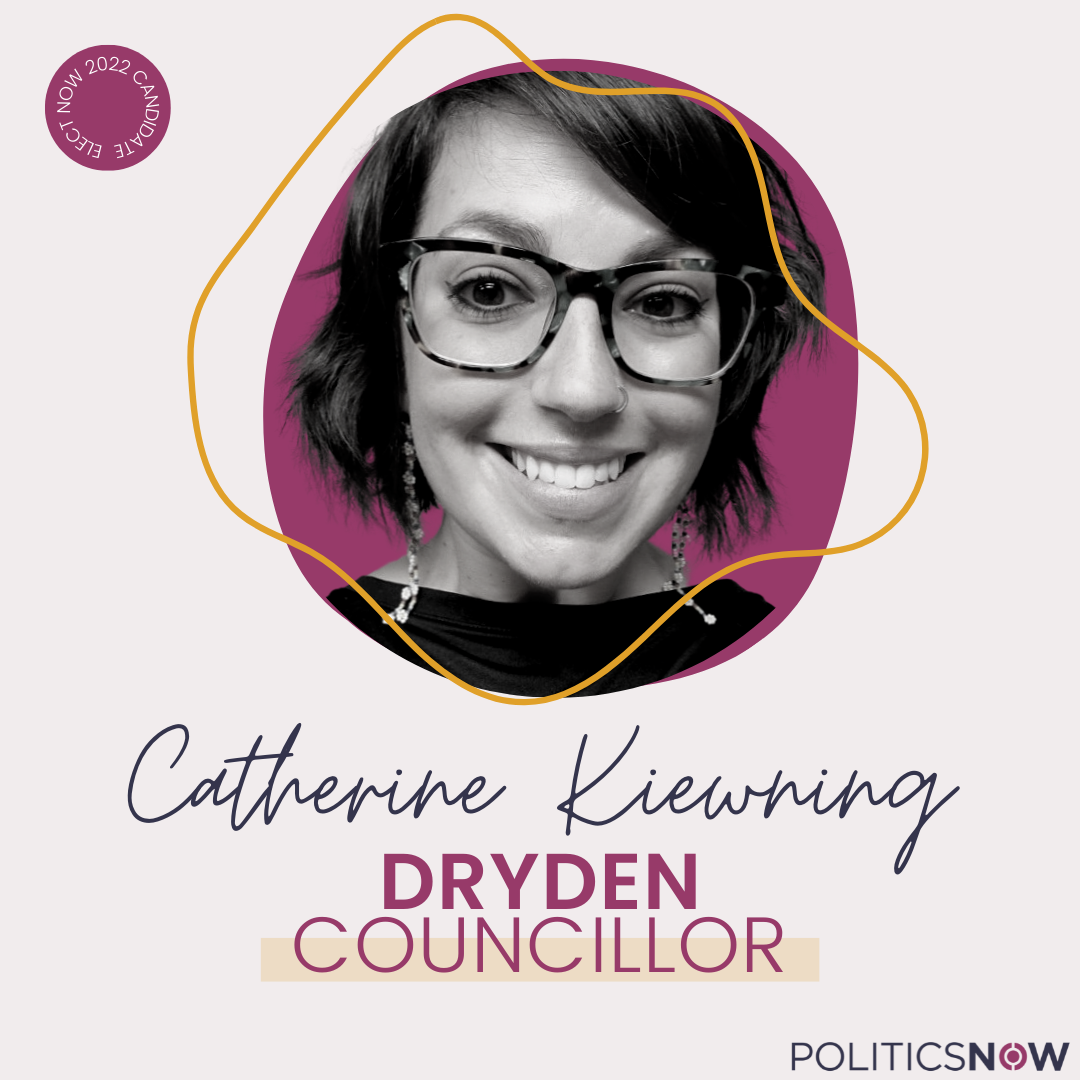
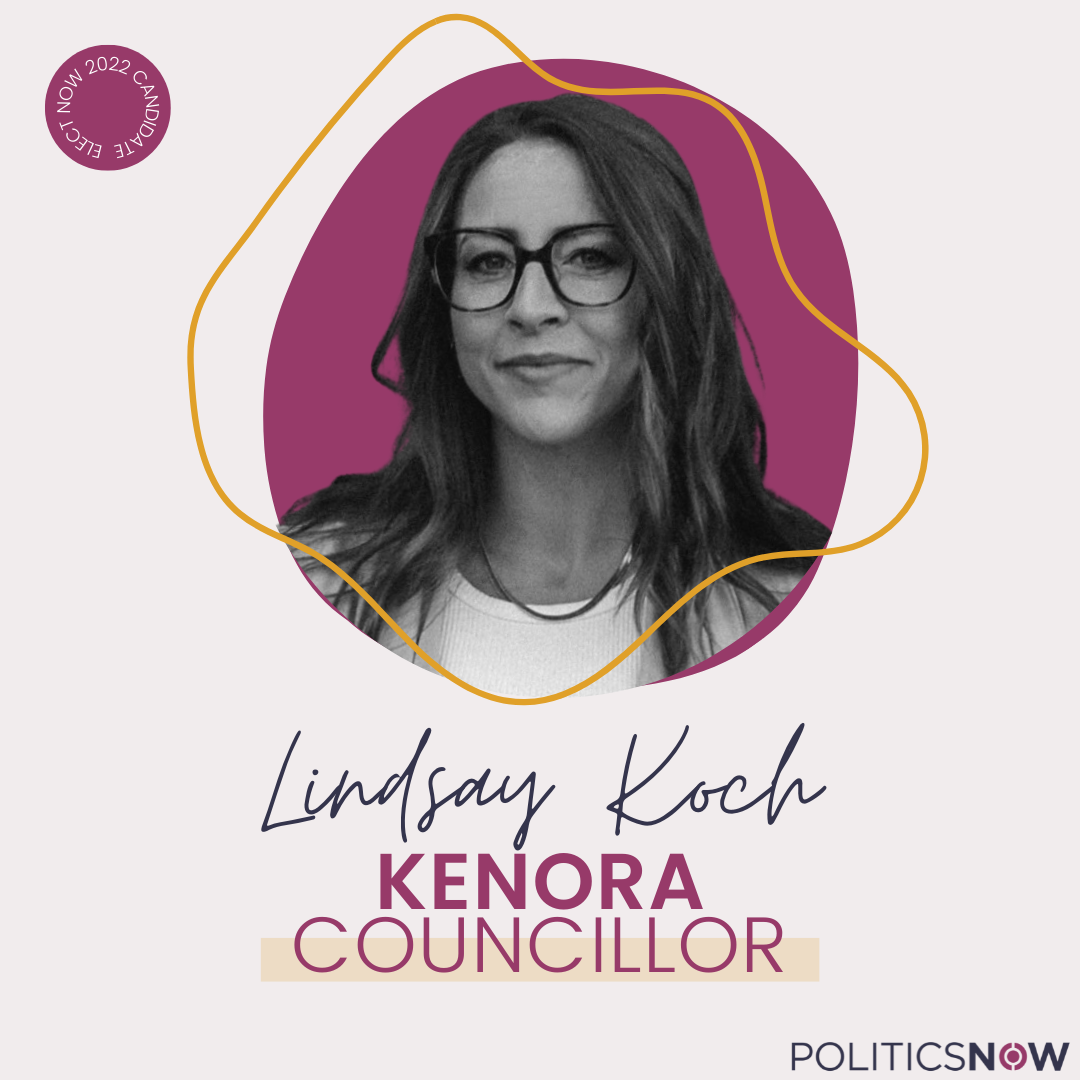

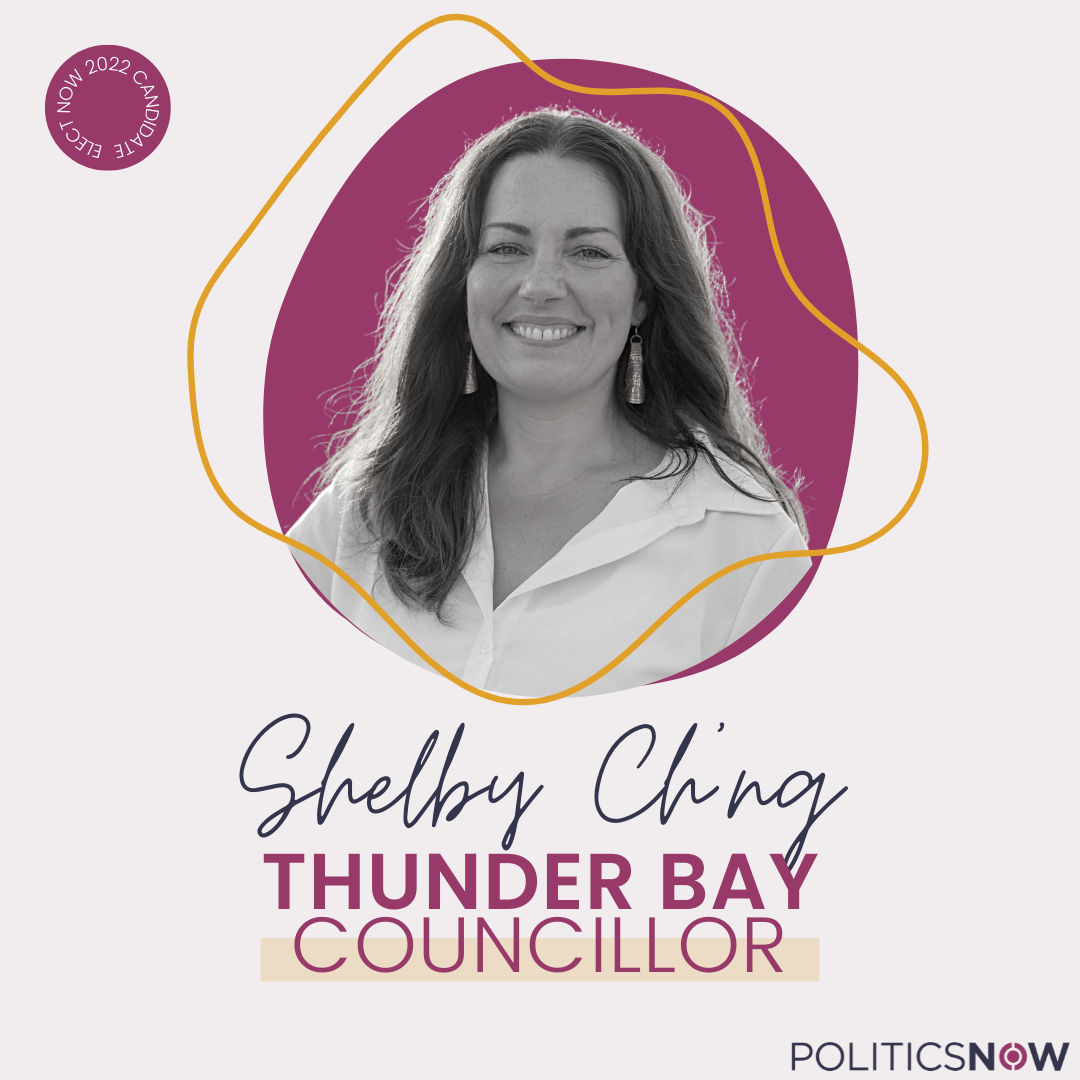
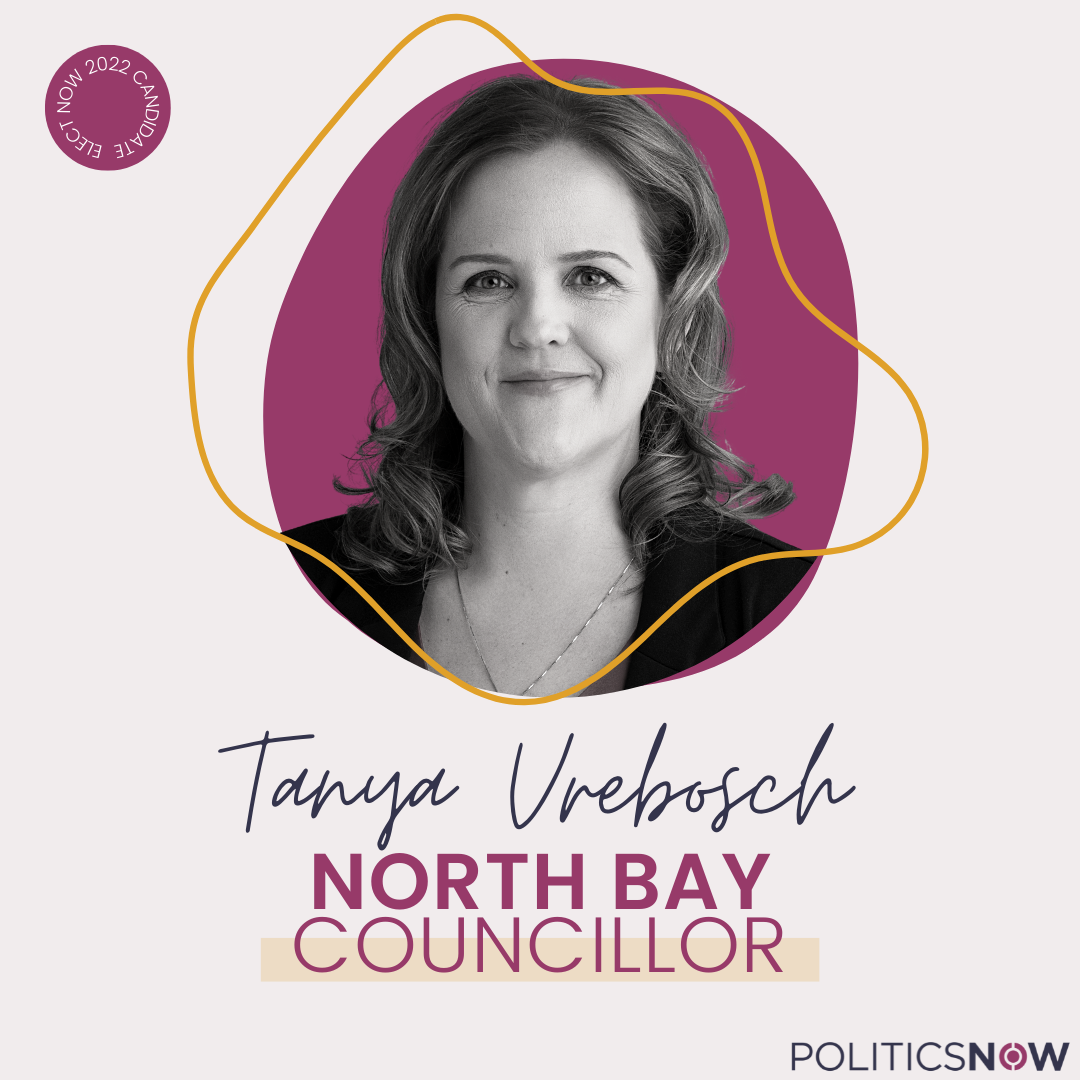
In our ongoing effort to spotlight the experiences of women in municipal politics, we reached out to those elected in the 2022 municipal elections in Northern Ontario. We asked these newly elected councillors and trustees to share their insights and reflections on the transition from candidate to council. Here are their candid and firsthand accounts of the challenges, surprises, and lessons learned along the way.
Kathy Hamer is a councillor in McDougall.
WERE THERE ANY SURPRISES OR UNEXPECTED ASPECTS ABOUT THE ROLE?
I was surprised by the learning curve associated with becoming an elected official. I thought I had experience from working on non-profit boards previously, serving in various roles on these boards and on different types of boards. While the gist of how a meeting is supposed to occur and how governance works are transferable skills, they did not prepare me for the formalities of council proceedings, the distinctions between resolutions and bylaws (which may seem trivial now), etc. I also found it difficult to locate the necessary resources to guide me on simple procedures.
WHAT WERE THE BIGGEST CHALLENGES YOU FACED WHEN TRANSITIONING FROM A CANDIDATE TO AN ELECTED OFFICIAL?
I found a few great resources when I decided to run for council - a certain Amanda Kingsley for PoliNow was an amazing resource; ElectHer, government resources online which provided much-needed guidance on running a successful campaign. Once I became an elected official, the resources seemed to dry up. Yes, there is training by your local council, but I felt unprepared moving forward after the training. This might be affected by how many new members are elected to the council for the term. I also found it difficult to find the same level of resources as before the election.
It was like starting a new job with very little hands-on training. The available training doesn’t seem to start with the basics — things like how to deal with a ratepayer with a complaint or concern, initiate a bylaw, or support a request for support from another municipality.
WHAT VALUABLE LESSONS HAVE YOU LEARNED OR INSIGHTS GAINED THAT YOU'D LIKE TO SHARE WITH OTHERS CONSIDERING A SIMILAR PATH IN POLITICS?
When you are first elected, you are congratulated, and everyone you speak to seems happy that you were elected. Things start to change when you don’t necessarily support a ratepayer in the way they feel you should because you are making a decision based on the good of the whole community.
I am serving on a council with a very small population. Hence, you need to mind your conversations/behaviour/appearance in public, including personal conversations. People will recognize you, but you may not recognize all your ratepayers, or realize other community members are aware of who you are.
Ratepayers will also contact you with a concern/problem and expect you to fix it. This can cause problems with staff as they try to follow procedures and policies that you may be unwittingly not following. It is best to redirect the issue to the correct staff member and allow them to address it.
WHAT DO YOU WISH PEOPLE KNEW ABOUT WORKING AS A POLITICIAN, BASED ON YOUR EXPERIENCE?
I am learning that while I like to explain things, it is not necessarily the best thing to do. You may try to explain why a decision was made, and something you innocently said while trying to explain can be taken out of context and shared with other community members.
I think the biggest misconception is that as a politician, you have more control over staff than what you really do. We serve in a governance position, and as such, we provide the overall guidance/direction of how the community will run, but we do not get involved in the day-to-day operations.
CONTACT INFORMATION
Email: khamer30@gmail.com
These profiles are part of our ongoing series featuring women councillors and trustees elected through the ElectNOW initiative. Surveys were sent to all woman councillors and trustees who participated in the 2022 ElectNOW series. While some answers have been edited for clarity and spelling, the responses provided are the candidates' own and do not necessarily reflect the views of PoliticsNOW. If you are a woman councillor, mayor, or trustee residing in Northern Ontario and would like to be featured in this series, please fill out our survey.
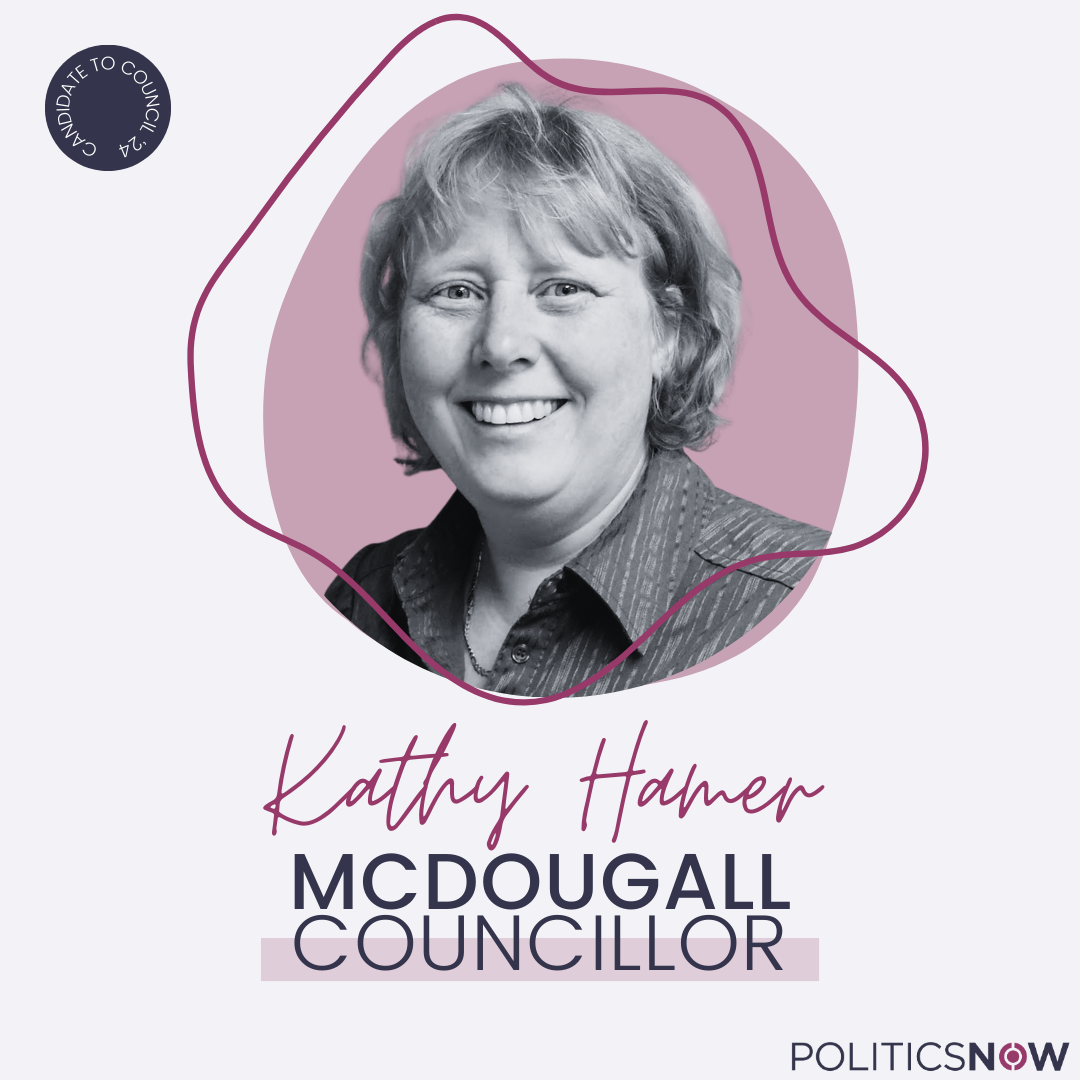
Kathy Hamer
Kathy Hamer is a municipal councillor in McDougall, Ontario.
In our ongoing effort to spotlight the experiences of women in municipal politics, we reached out to those elected in the 2022 municipal elections in Northern Ontario. We asked these newly elected councillors and trustees to share their insights and reflections on the transition from candidate to council. Here are their candid and firsthand accounts of the challenges, surprises, and lessons learned along the way.
Kathy Hamer is a councillor in McDougall.
Were there any surprises or unexpected aspects about the role?
I was surprised by the learning curve associated with becoming an elected official. I thought I had experience from working on non-profit boards previously, serving in various roles on these boards and on different types of boards. While the gist of how a meeting is supposed to occur and how governance works are transferable skills, they did not prepare me for the formalities of council proceedings, the distinctions between resolutions and bylaws (which may seem trivial now), etc. I also found it difficult to locate the necessary resources to guide me on simple procedures.
What were the biggest challenges you faced when transitioning from a candidate to an elected official?
I found a few great resources when I decided to run for council - a certain Amanda Kingsley for PoliNow was an amazing resource; ElectHer, government resources online which provided much-needed guidance on running a successful campaign. Once I became an elected official, the resources seemed to dry up. Yes, there is training by your local council, but I felt unprepared moving forward after the training. This might be affected by how many new members are elected to the council for the term. I also found it difficult to find the same level of resources as before the election.
It was like starting a new job with very little hands-on training. The available training doesn’t seem to start with the basics — things like how to deal with a ratepayer with a complaint or concern, initiate a bylaw, or support a request for support from another municipality.
What valuable lessons have you learned or insights gained that you'd like to share with others considering a similar path in politics?
When you are first elected, you are congratulated, and everyone you speak to seems happy that you were elected. Things start to change when you don’t necessarily support a ratepayer in the way they feel you should because you are making a decision based on the good of the whole community.
I am serving on a council with a very small population. Hence, you need to mind your conversations/behaviour/appearance in public, including personal conversations. People will recognize you, but you may not recognize all your ratepayers, or realize other community members are aware of who you are.
Ratepayers will also contact you with a concern/problem and expect you to fix it. This can cause problems with staff as they try to follow procedures and policies that you may be unwittingly not following. It is best to redirect the issue to the correct staff member and allow them to address it.
What do you wish people knew about working as a politician, based on your experience?
I am learning that while I like to explain things, it is not necessarily the best thing to do. You may try to explain why a decision was made, and something you innocently said while trying to explain can be taken out of context and shared with other community members.
I think the biggest misconception is that as a politician, you have more control over staff than what you really do. We serve in a governance position, and as such, we provide the overall guidance/direction of how the community will run, but we do not get involved in the day-to-day operations.
contact information
Email: khamer30@gmail.com
These profiles are part of our ongoing series featuring women councillors and trustees elected through the ElectNOW initiative. Surveys were sent to all woman councillors and trustees who participated in the 2022 ElectNOW series. While some answers have been edited for clarity and spelling, the responses provided are the candidates' own and do not necessarily reflect the views of PoliticsNOW. If you are a woman councillor, mayor, or trustee residing in Northern Ontario and would like to be featured in this series, please fill out our survey.

Judy Kosmerly
Judy Kosmerly is a School Board Trustee in Area 3, Wards 5 & 6 for Rainbow District School Board in Greater Sudbury.
In our ongoing effort to spotlight the experiences of women in municipal politics, we reached out to those elected in the 2022 municipal elections in Northern Ontario. We asked these newly elected councillors and trustees to share their insights and reflections on the transition from candidate to council. Here are their candid and firsthand accounts of the challenges, surprises, and lessons learned along the way.
Judy Kosmerly is a School Board Trustee in Area 3, Wards 5 & 6 for Rainbow District School Board in Greater Sudbury.
What initially inspired or motivated you to run for council, and how did you envision your role before being elected?
I believed that my 34.5 years of employment with the Provincial Government had given me the knowledge and skills needed to be a school board trustee, plus I was very interested in learning more about the Education sector in general. I believed my role as a trustee would be one of governance.
How did your expectations or perceptions change once you took office?
My expectations didn't really change—a trustee's role is essentially one of governance and oversight, especially at the board table. What I didn't expect was how much I enjoyed the more social component of the trustee role—visiting schools, meeting students, attending graduation ceremonies and board-wide (and school) special events such as the Challenge Meet, science fairs, heritage fairs, pow wows, Fun Fairs, etc. This is my favourite part of the trustee's role.
What were the biggest challenges you faced when transitioning from a candidate to an elected official?
Understanding the acronyms used by the school board and others in the education sector.
What do you wish people knew about running for office, based on your own experience?
Do your research and know what the role of a trustee is before putting your name in to run as a trustee. I couldn't believe how many people I spoke to don't know what a trustee does, and how many think our role is the same as that of a city councillor or of a politician from a political party. It isn't!
Looking back at your first year in office, what were the most rewarding aspects of serving in your municipal role?
For the term that started in October 2022: being able to attend events, such as graduations and special events, in person rather than virtually.
What valuable lessons have you learned or insights gained that you'd like to share with others considering a similar path in politics?
Be a team player, be open to new ideas, and keep your focus on student success and well-being. Trustees do not have individual authority—they are expected to work together to make decisions that support [the] success and well-being [of] all students.
What do you wish people knew about working as a politician, based on your experience?
Again, understand what the role of a trustee is. The role of a trustee is a very important one— it is critical to know what your role is before you throw your hat into the ring.
Where can people find you?
These profiles are part of our ongoing series featuring women councillors and trustees elected through the ElectNOW initiative. Surveys were sent to all woman councillors and trustees who participated in the 2022 ElectNOW series. While some answers have been edited for clarity and spelling, the responses provided are the candidates' own and do not necessarily reflect the views of PoliticsNOW. If you are a woman councillor, mayor, or trustee residing in Northern Ontario and would like to be featured in this series, please fill out our survey.
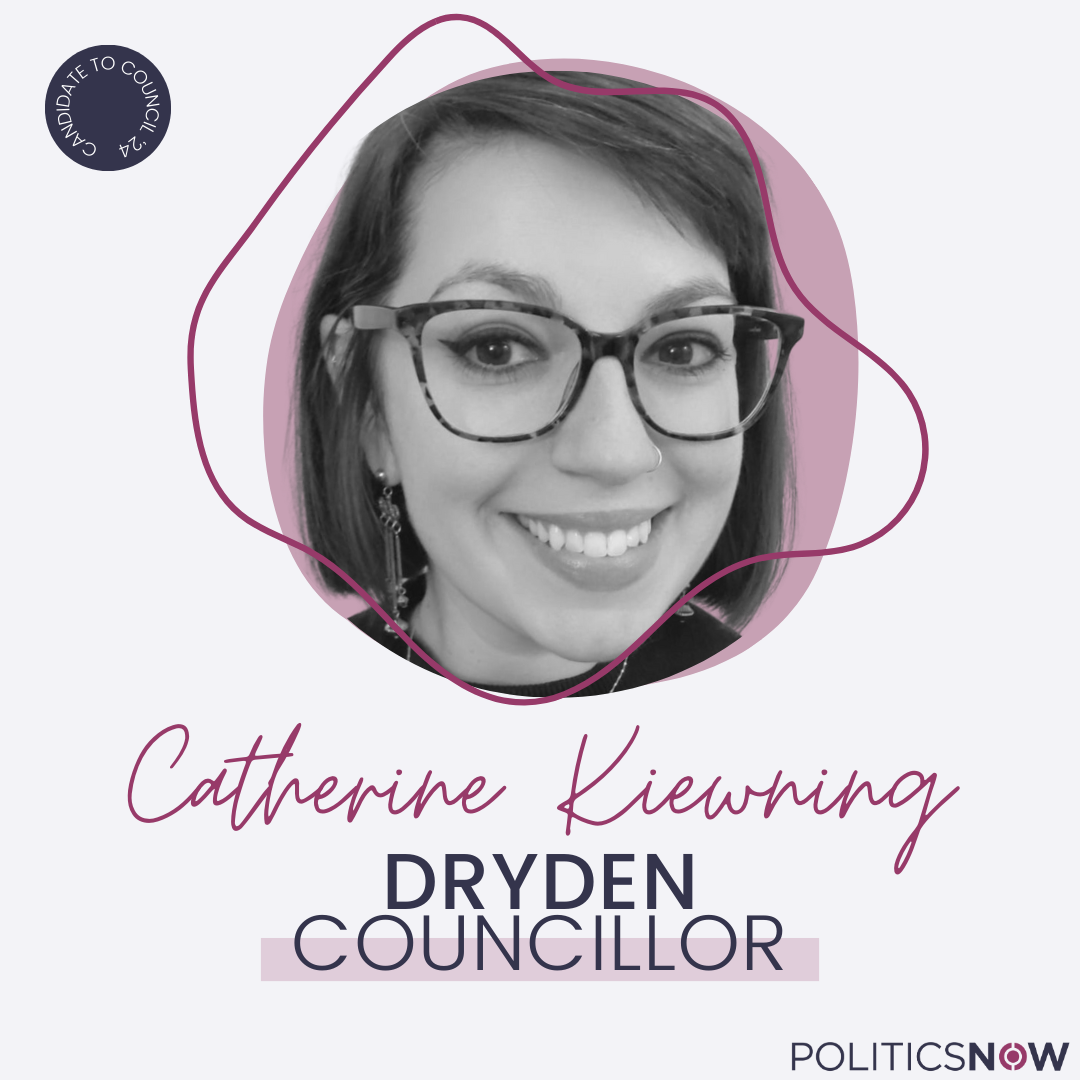
Catherine Kiewning
Catherine Kiewning is a Councillor in Dryden.
In our ongoing effort to spotlight the experiences of women in municipal politics, we reached out to those elected in the 2022 municipal elections in Northern Ontario. We asked these newly elected councillors and trustees to share their insights and reflections on the transition from candidate to council. Here are their candid and firsthand accounts of the challenges, surprises, and lessons learned along the way.
Catherine Kiewning is a Councillor in Dryden.
What initially inspired or motivated you to run for council, and how did you envision your role before being elected?
I wanted a different challenge that focused on serving my community. I wanted to see better representation of young people, women, and queer people on our city council—I couldn't convince anyone else to do it, too many others told me I should do it, so I did. I also really wanted to understand what municipal government does for my own sake- lots of the issues folks talk about aren't necessarily a municipality’s job—understanding those roles for myself and sharing those with the community have been front and centre of my campaign and duties as a councillor.
What were the biggest challenges you faced when transitioning from a candidate to an elected official?
I have always been a hands-on- make it happen kind of person, so it was really difficult to adjust to how slowly things move and that I hold a role that makes decisions and doesn't "do the work" exactly. It is hard to stay in my lane [regarding] things I want to see happen. But I am learning to find the right channels and allow things to unfold. Trust the process, as they say, but if the process can be made better- do that too.
What do you wish people knew about running for office, based on your own experience?
I wish that people understood just how much information you have to take in to make the best decisions that you can. Governing a city is complicated; sometimes, it's our own fault, and sometimes it isn't. But, if you can just be reasonable and make sure your mind is open to a lot of information, you do what you can [at] the moment. You are representing your constituents, and they have a level of trust in you- make sure you can earn and maintain that trust and keep channels of communication open. This is not an easy job, but it is one that you can make rewarding, fun and meaningful.
Looking back at your first year in office, what were the most rewarding aspects of serving in your municipal role?
It felt like a whirlwind, to be honest, so make sure that you take a moment to enjoy the little moments of connection with the public. The best moments I get are when people honour me by approaching me in the street or at the coffee shop just to tell me that they appreciate my thoughtful questions or that I bring a different view. That was totally my goal in getting elected. It happens every so often, and I gush to the person how much it means to get that kind of validation and encouragement. It means the world to know that I'm not the worst or that people have only complaints to bestow.
On the other hand, what challenges did you face during your first year, and how did you navigate or address them?
I brought [forward] a resolution to support the Women of Ontario Say No, and it was defeated. The Mayor brought it forward and it was defeated. I was devastated. But I know that across Ontario, people are passing resolutions and showing wild support. I just keep showing up. I have to keep showing up and making sure everyone knows where I stand always.
What valuable lessons have you learned or insights gained that you'd like to share with others considering a similar path in politics?
Ask questions—ask so many questions—and try to ask the right questions. A big one is, "Have we consulted with whoever this (bylaw, fee, etc) will impact to see what their concerns are?"
Learn to communicate creatively and effectively. Your constituents will appreciate that you take the time to explain city jargon, what processes look like and [the] reasons behind each decision you make. Keep them involved and listen to their ideas—even better, get them involved in making them happen.
Social Media Handles
These profiles are part of our ongoing series featuring women councillors and trustees elected through the ElectNOW initiative. Surveys were sent to all woman councillors and trustees who participated in the 2022 ElectNOW series. While some answers have been edited for clarity and spelling, the responses provided are the candidates' own and do not necessarily reflect the views of PoliticsNOW. If you are a woman councillor, mayor, or trustee residing in Northern Ontario and would like to be featured in this series, please fill out our survey.
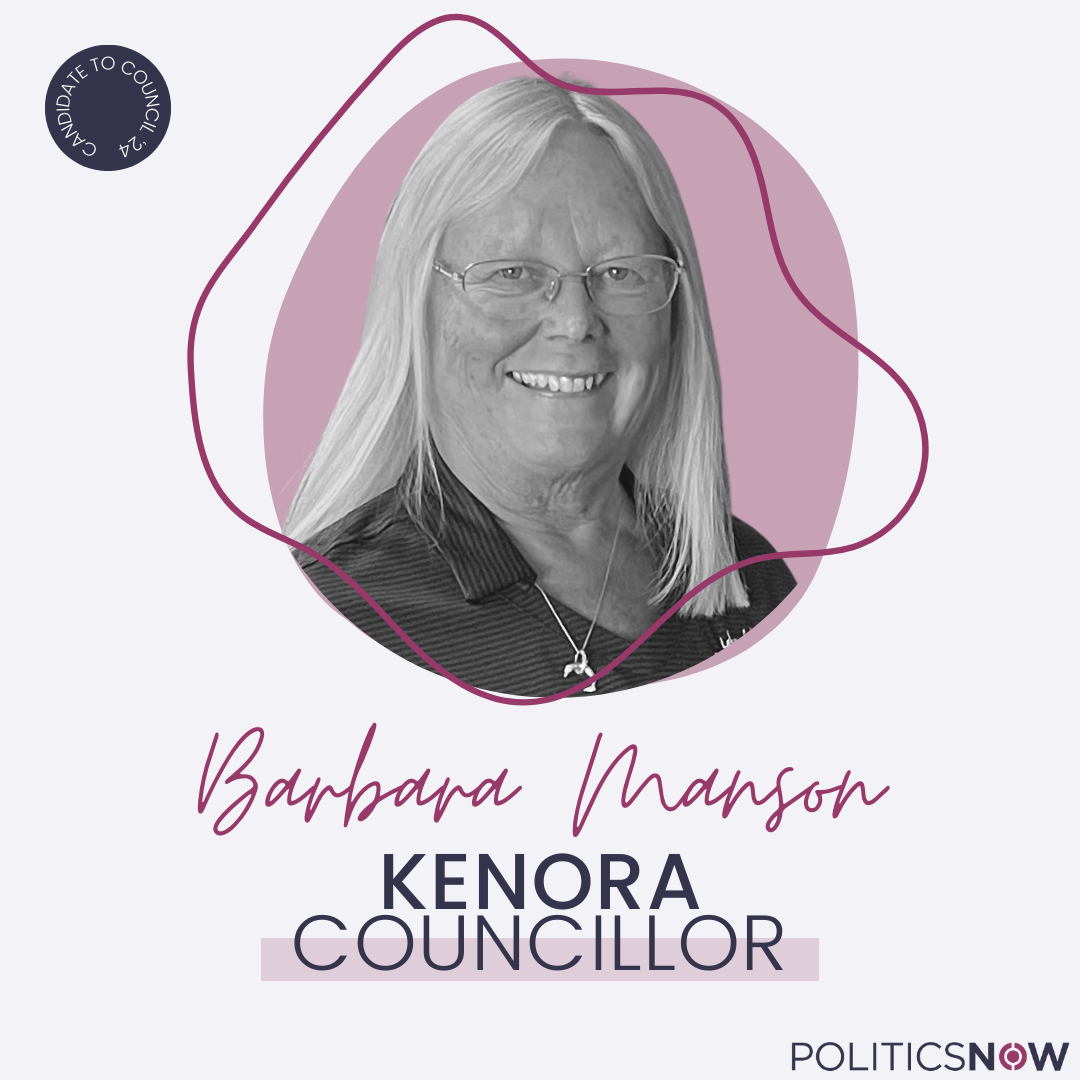
Barbara Manson
Barbara Manson is a councillor in Kenora.
In our ongoing effort to spotlight the experiences of women in municipal politics, we reached out to those elected in the 2022 municipal elections in Northern Ontario. We asked these newly elected councillors and trustees to share their insights and reflections on the transition from candidate to council. Here are their candid and firsthand accounts of the challenges, surprises, and lessons learned along the way.
Barbara Manson is a councillor in Kenora.
What initially inspired or motivated you to run for council, and how did you envision your role before being elected?
I was motivated and inspired as I did not like the direction Kenora was headed. I envisioned a productive and get-things-done attitude.
How did your expectations or perceptions change once you took office?
Frustration following the governance model and the slowness of government actions.
Were there any surprises or unexpected aspects of the role?
The diversity of council—both a good and bad aspect. The time it takes to accomplish goals. The lack of proper funding from the provincial and federal government in regard to infrastructure projects ([for example, bridges — which were downloaded to the Municipality) and policing costs in Kenora.
What were the biggest challenges you faced when transitioning from a candidate to an elected official?
Finding the time to attend all meetings, being prepared and trying to find solutions.
What do you wish people knew about running for office, based on your own experience?
Time commitment is huge. Know how to research and defend your decisions within a diversified group of peers.
Looking back at your first year in office, what were the most rewarding aspects of serving in your municipal role?
Bringing in a budget our taxpayers could swallow, seeing the growth in housing [and] starting to solve our community and safety well-being issues.
What were the significant milestones or accomplishments you achieved during your tenure?
Hiring a Community & Safety Well-being Supervisor [and] lobbying the Provincial government to help with policing costs (which they did 2 years in a row).
On the flip side, what were the challenges you faced during your first year, and how did you navigate or address them?
Changing the mandate of our police force to more “walking the beat” hours. ([which is] still a work in progress). Starting to find solutions regarding our social issues—community formed and working on a 5-year plan.
Were there specific instances or experiences that significantly impacted your approach to governance or leadership?
Coming prepared to Council meetings, [and] rephrasing how to bring your ideas forward in regards to the personalities on Council.
What valuable lessons have you learned or insights gained that you'd like to share with others considering a similar path in politics?
Be prepared and be prepared to defend your decisions.
What do you wish people knew about working as a politician, based on your experience?
It’s harder than it seems. It is more time-consuming than you can imagine. Solutions sometimes take time, longer than you would like [and] not everyone thinks the way you do.
Where can people find you?
These profiles are part of our ongoing series featuring women councillors and trustees elected through the ElectNOW initiative. Surveys were sent to all woman councillors and trustees who participated in the 2022 ElectNOW series. While some answers have been edited for clarity and spelling, the responses provided are the candidates' own and do not necessarily reflect the views of PoliticsNOW. If you are a woman councillor, mayor, or trustee residing in Northern Ontario and would like to be featured in this series, please fill out our survey.

Campaigning in the Digital Age
Master the digital landscape of municipal elections! From crafting an authentic online persona to leveraging social media, DIY graphic design, and the power of email, this guide unveils a tactical arsenal for success. Success in the digital age is within reach—navigate the online battlefield and propel your campaign forward with strategic planning and authenticity.

Navigating the Online Landscape for Election Triumph
Welcome to the digital battleground of municipal elections, where the endless symphony of online noise can either drown you out or catapult your campaign to victory. In this whirlwind of pixels and hashtags, we get it – budgets are tight, resources are scarce, and the thought of navigating the vast digital realm can feel like trying to find a needle in a virtual haystack.
We're here as your digital compass, unveiling not just tools but a tactical arsenal of tips and tricks to turn your digital campaign into a resounding triumph.
craft your digital persona
Your online presence is the canvas of your campaign. Paint it with authenticity, passion, and dedication. Let voters see the person behind the politician. Share your journey in a way that resonates, cultivating a digital persona that's not just about politics but reflects your values, making you relatable to constituents.
leverage social media
Social media is your trusty sidekick, even on a shoestring budget. Choose platforms wisely, ones that resonate with your audience. Engage your community with realness – not just with polished posts but through behind-the-scenes glimpses and genuine interactions. Remember, it's not about the number of followers but the quality of connections you build.
dIY Graphic Design
Graphics are pivotal in the digital battleground. Don't fret about lacking a design degree; embrace accessible tools like Canva or Adobe Spark. Thanks to templates and user-friendly interfaces, even if your design skills currently lean more towards stick figures than Picasso, you can effortlessly create visuals that powerfully amplify your campaign's message. Moreover, it aids in maintaining a consistent brand tone, ensuring your message remains recognizable to all your followers—and the broader community!
master the email game
In the realm of digital campaign strategies, emails remain an unsung hero, quietly but powerfully delivering your message directly to your constituents' inboxes. Think of your email list as a treasure chest, one you're not just filling but curating strategically. While social media helps you connect, the email list is the lifeline you get to keep, even if the social media landscape changes overnight.
Consider this: if the social media platforms we rely on today vanished tomorrow, how would you maintain a direct line to your constituents? Here's where your email list steps in as a crucial asset. Unlike social media, where algorithms and trends can shift unpredictably, your email list provides stability and ownership. It's a direct communication channel that remains under your control, offering a dependable means to reach your audience, no matter the digital tides. So, as you build your email list, you're not just accumulating contacts; you're fostering a resilient community and securing your ability to connect authentically, even in the face of digital uncertainties.
host virtual town halls
With limited capacity for in-person events, take your campaign to the digital town hall. Platforms like Zoom or Facebook Live allow you to engage with voters, address concerns, and present your platform. Schedule these events strategically, providing an accessible and intimate forum for interaction.
use community-centric blogging
Blogging isn't just for the tech-savvy. Establish a simple blog on your campaign website, sharing insights, updates, and your vision for the community. It's a powerful yet cost-effective way to position yourself as a thought leader and keep constituents informed.
use tools for campaign analytics
Even with limited resources, harness the power of data. Utilize free or affordable analytics tools to track the performance of your online efforts. Understand what resonates with your audience, refine your strategy accordingly, and make informed decisions to optimize your digital campaign.
ensure you have a flexible digital strategy
Flexibility is key in the digital age. Regularly assess your digital strategy's performance, adapt to emerging trends, and refine your approach based on what resonates with your audience. Embrace a dynamic online presence that evolves with the changing landscape of digital politics.
Digital Triumph on a Limited Budget
In the digital age, success is not reserved for those with hefty budgets. With strategic planning, authenticity, and a willingness to adapt, you can maximize online platforms to propel your campaign forward. Your limited funds and capacity need not be limitations – consider them opportunities to craft a digital campaign that's not just impactful but also uniquely yours.
Onward, towards a victorious digital campaign!